
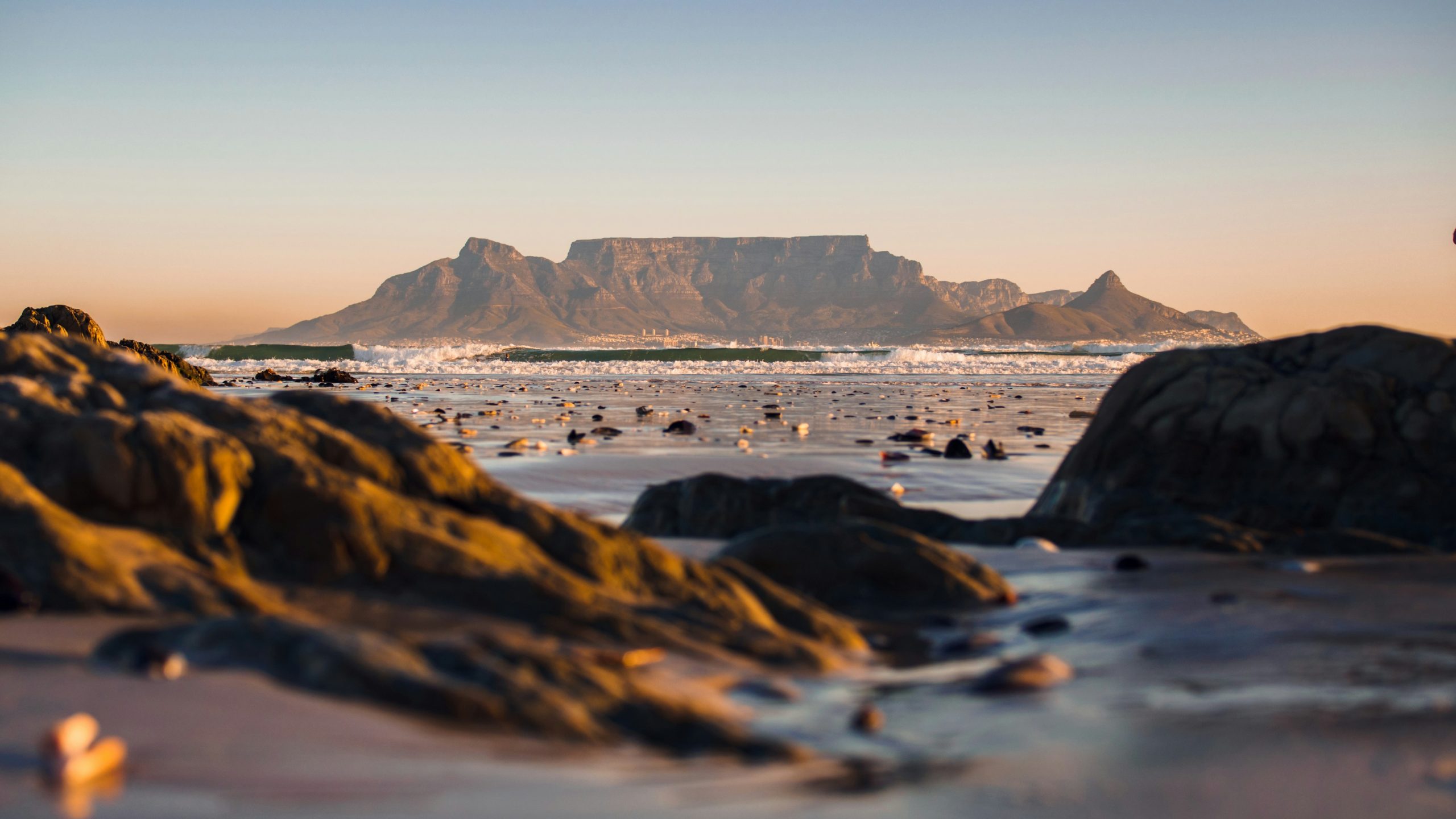
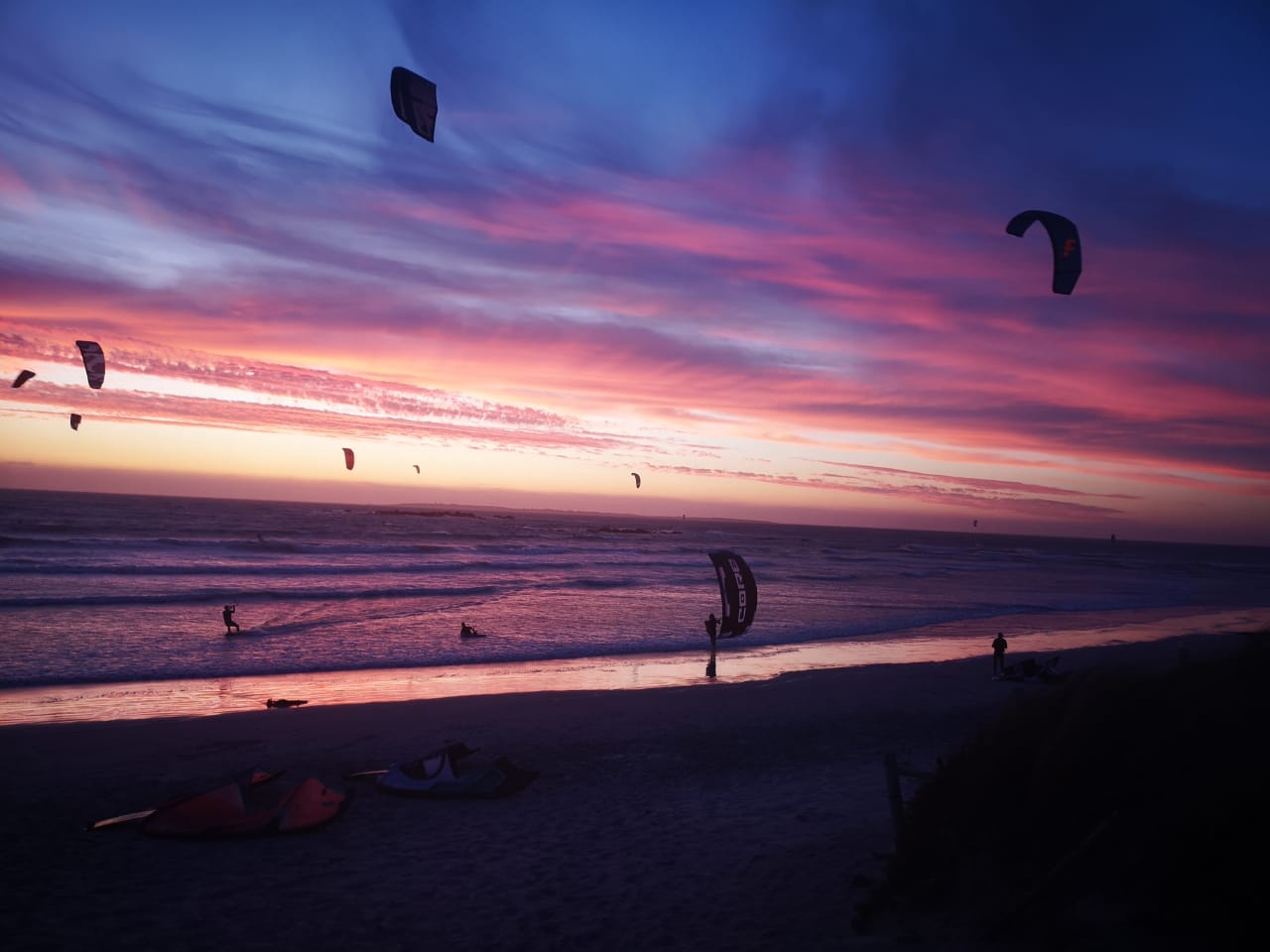

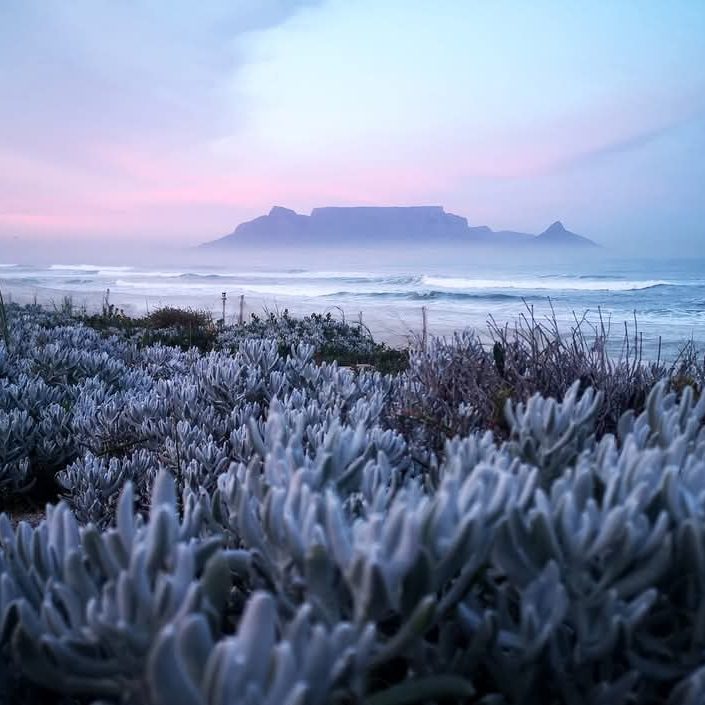
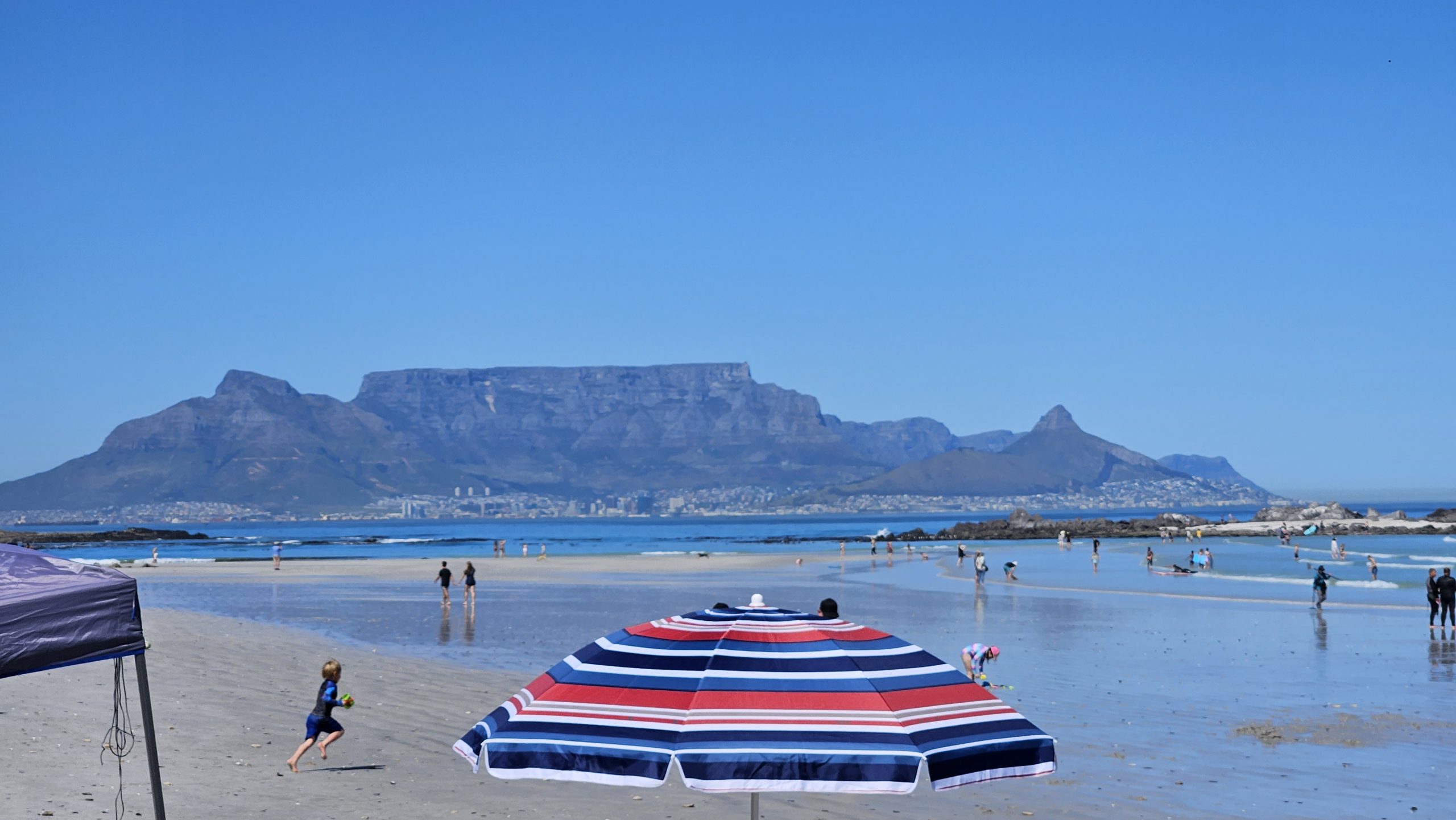
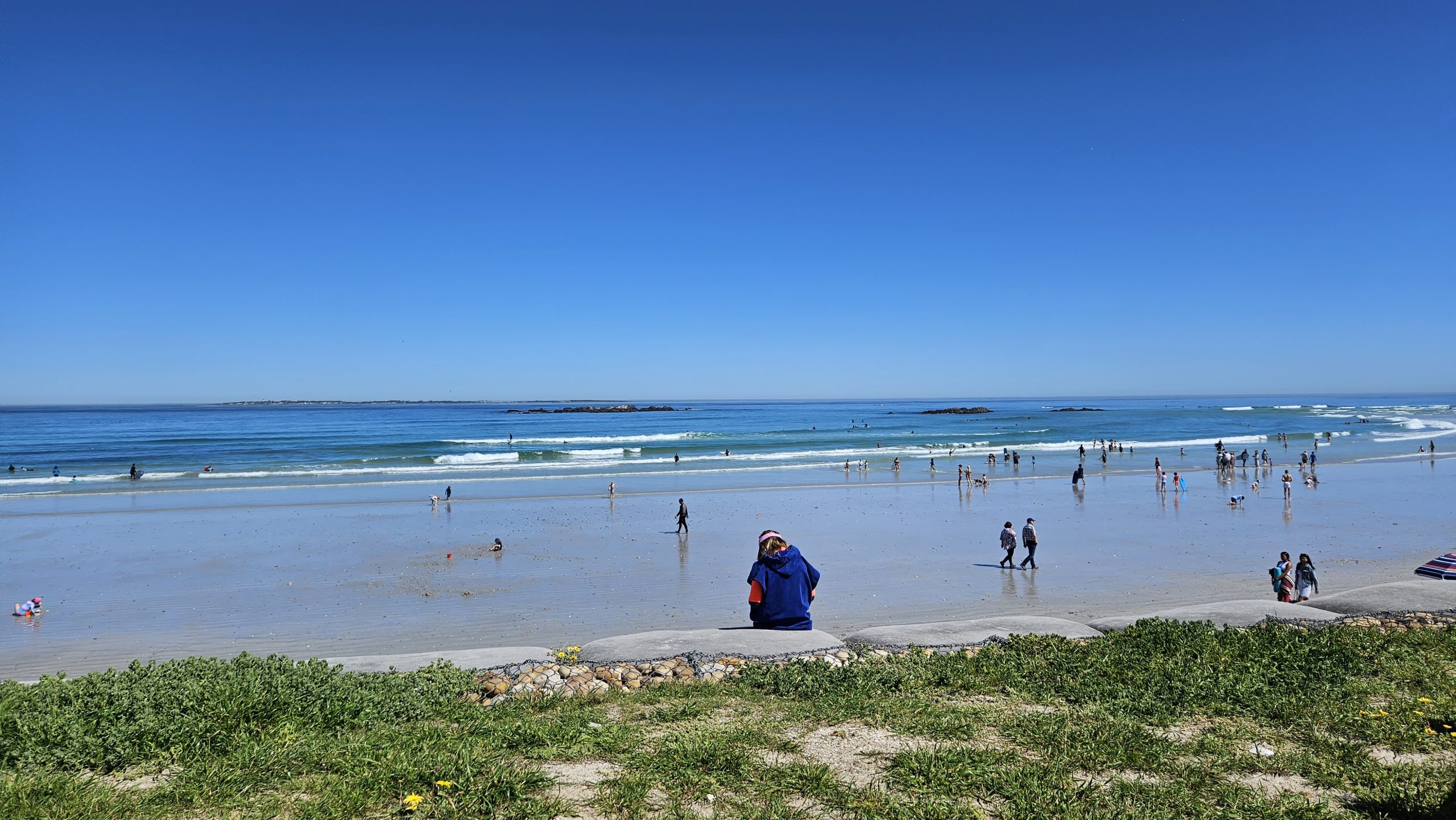
Roughly 30km north of Cape Town city centre, Big Bay is
one of two Bloubergstrand beaches (the other is called Small Bay). This entire
beach area falls within a Marine Nature Reserve and is renowned for diving
delicacies like Cape rock lobster.
Big Bay is a fantastic family-friendly beach, offering
excellent waves, long white sandy shores and plenty of dining and shopping
options. Below are a few interesting things to do when visiting Big Bay.
Outdoor Activities:
Big Bay and Small Bay are divided by a rocky point,
with Big Bay usually receiving the full brunt of the Atlantic swell. Expect
cold water and big swell channeling into the bay, producing its world-famous
waves.
Naturally, these conditions attract surfers, stand-up
paddleboarders and bodyboarders when the waves are pumping.
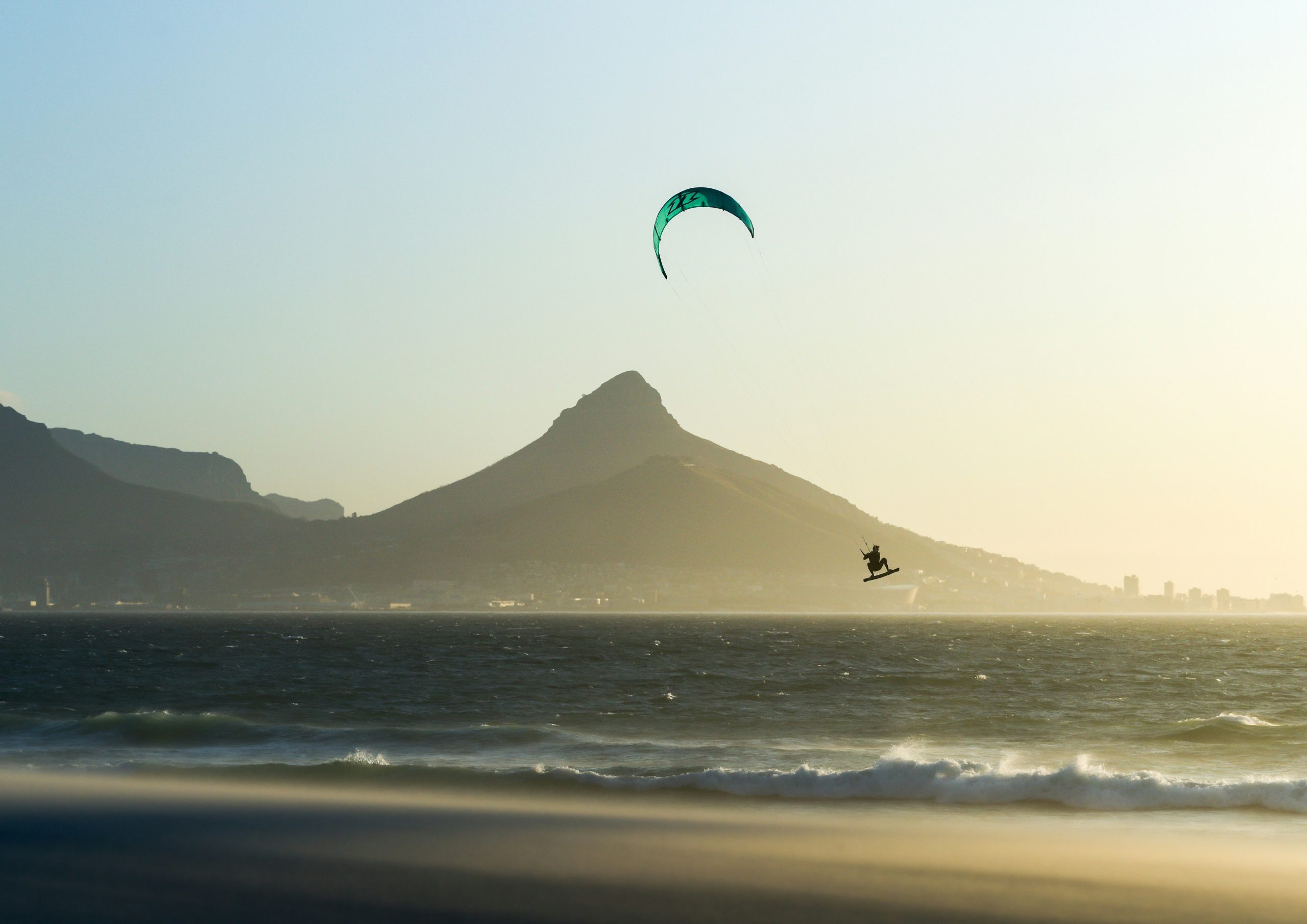
When the howling South Easter starts pummeling the bay,
windsurfers and kitesurfers come out to play, taking full advantage of the big
swell and wind direction.
You also have the option of strolling along miles of
untouched coastline that run north from Big Bay all the way to Melkbosstrand.
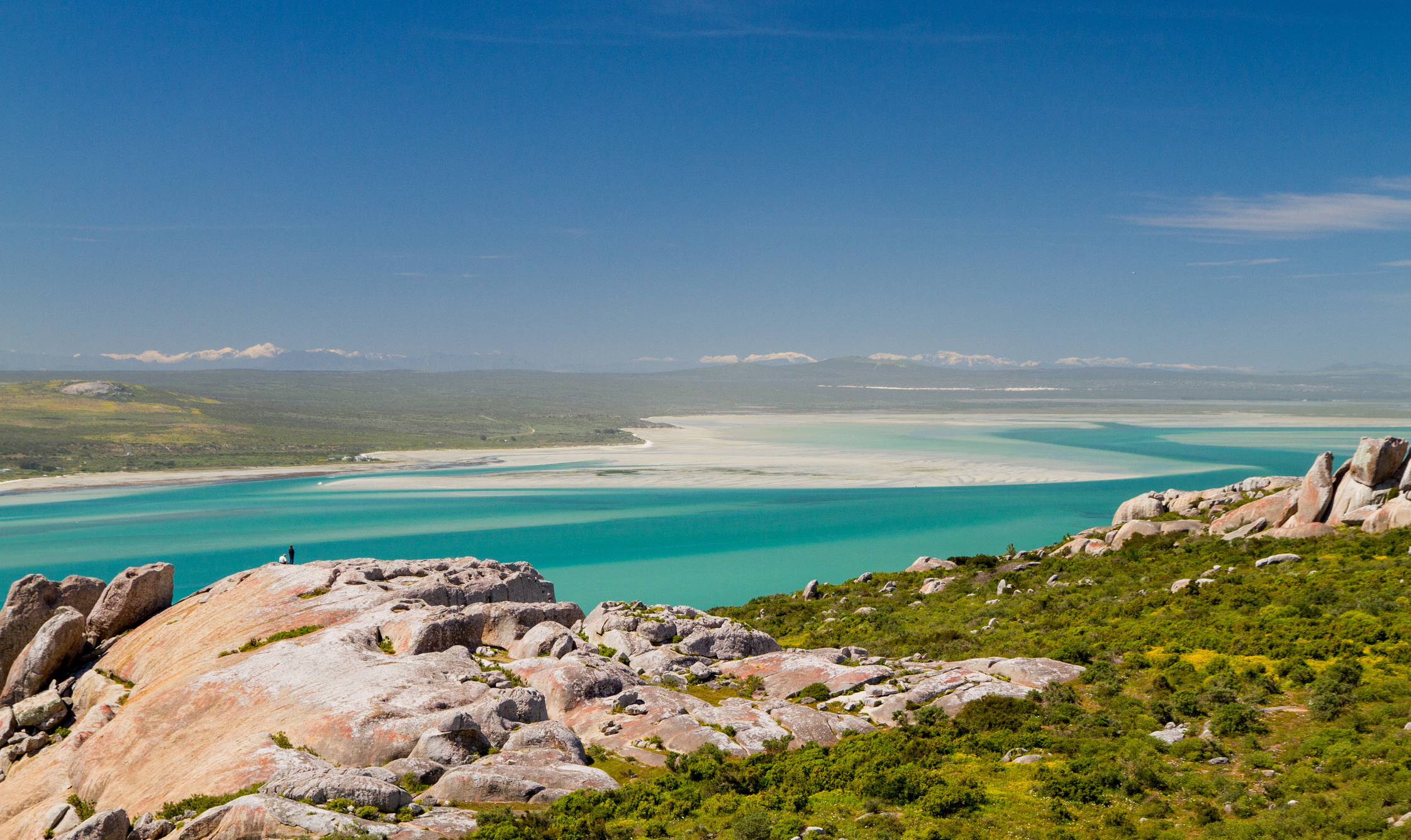
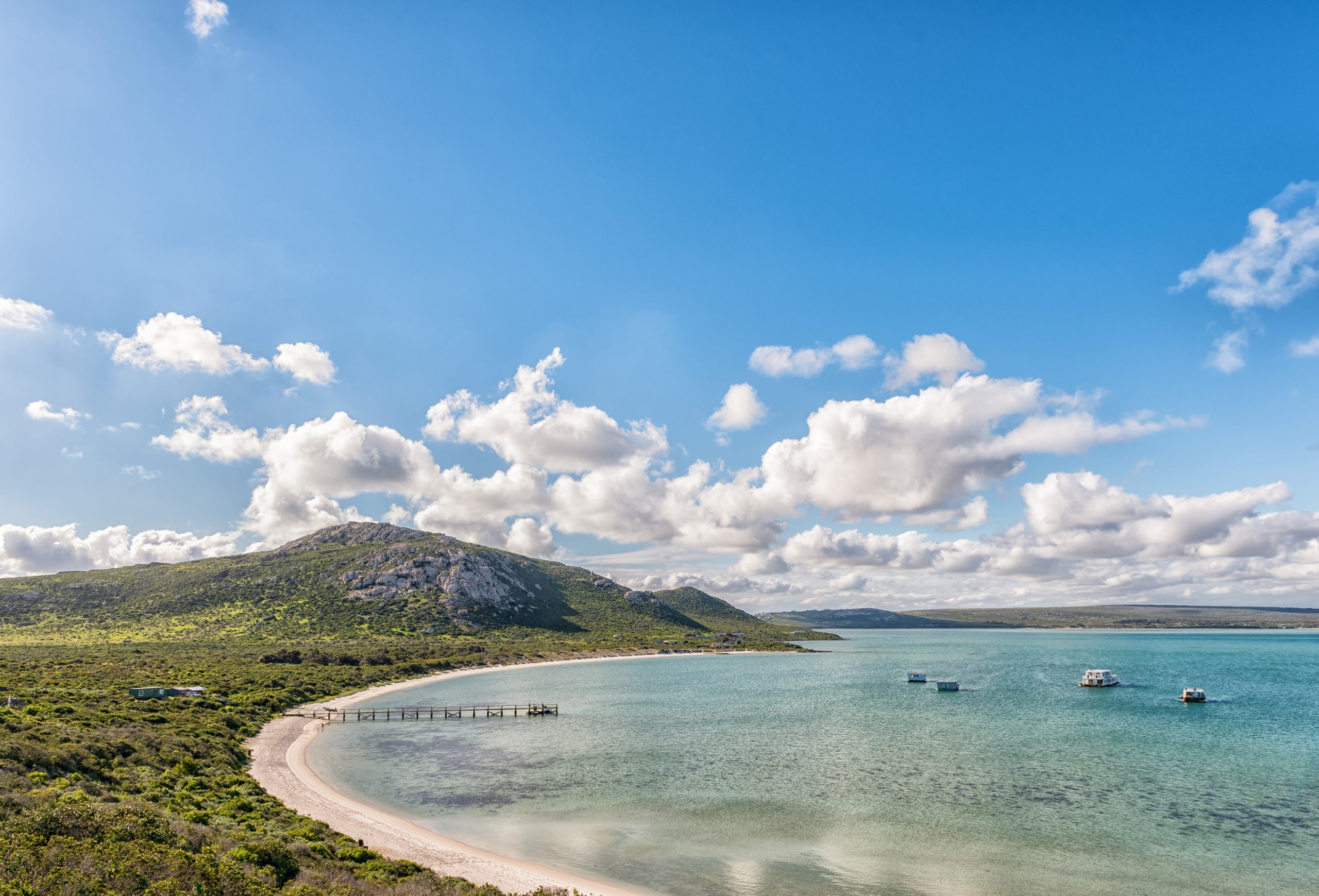
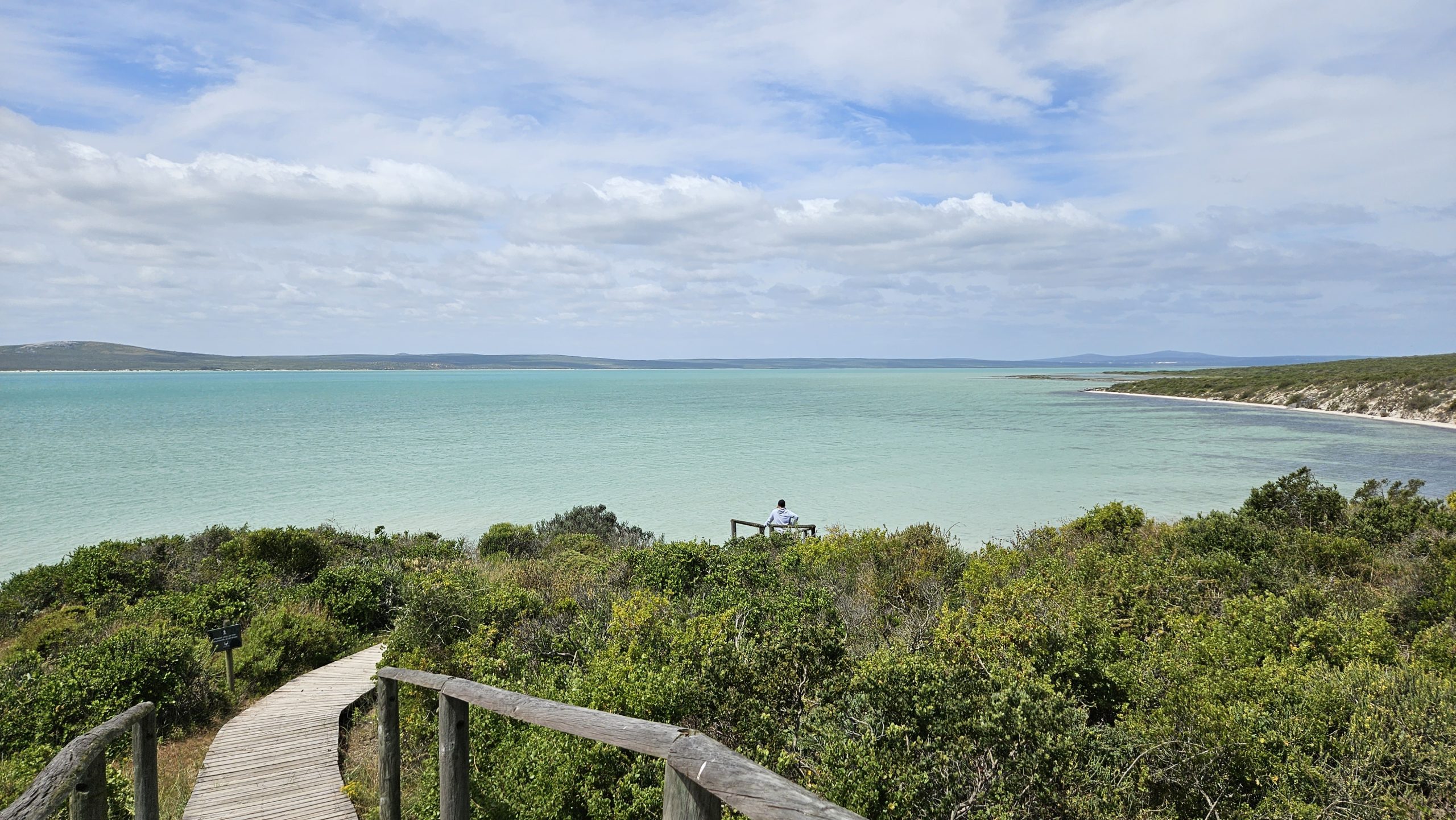
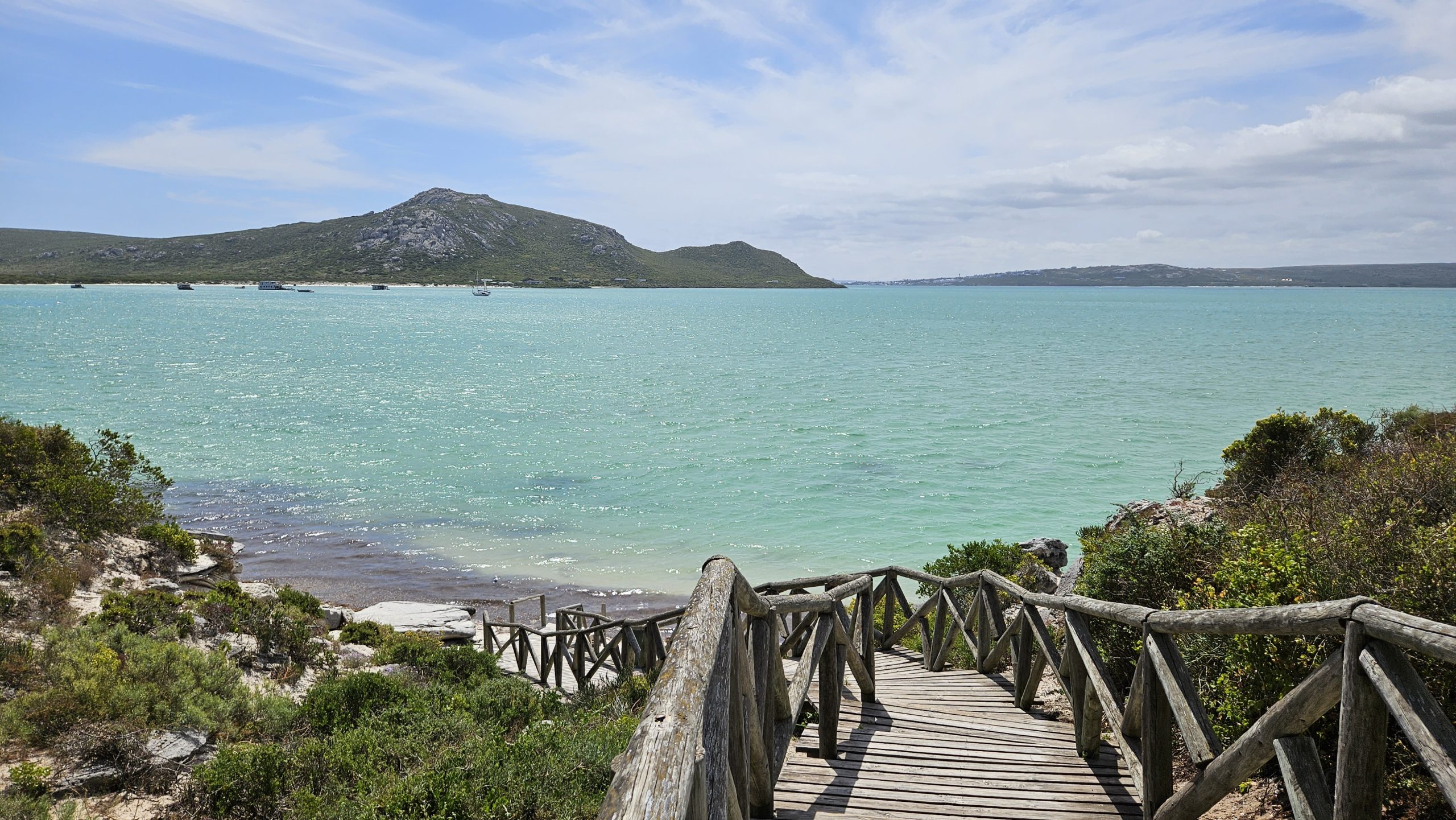
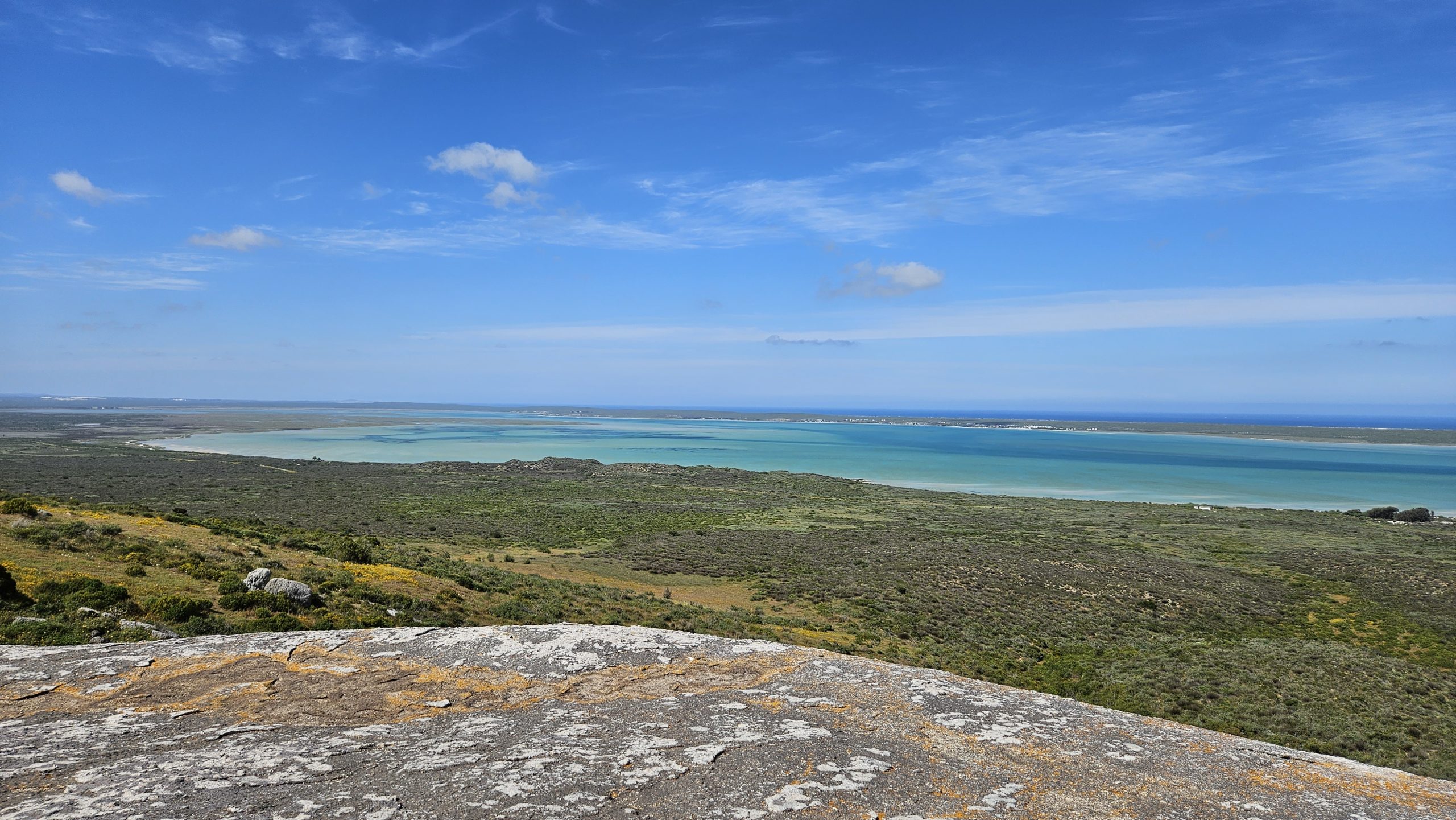
Just inland from the secluded harbour of Saldanha Bay, and only 1,5 hour’s drive from Cape Town’s City Centre, one finds the azure waters of the Langebaan Lagoon, focal point of the West Coast National Park.
Against the backdrop of the azure blue lagoon, white dunes, rare fynbos, green wetlands and unbounded waves, there is much to experience. A paradise for hikers, cyclists and mountain bikers, birders, and nature-lovers alike.
West Coast National Park hosts a total of over 250 bird
species annually, over a quarter of South Africa’s total. Visit one of the bird
hides and spend some time enjoying the quiet. Unwind on the shore of the
Langebaan Lagoon at Kraalbaai – a great spot for picnics. Explore the many rock
pools along the seashore at Tsaarsbank.
Come to West Coast National Park and explore, discover
and relax!
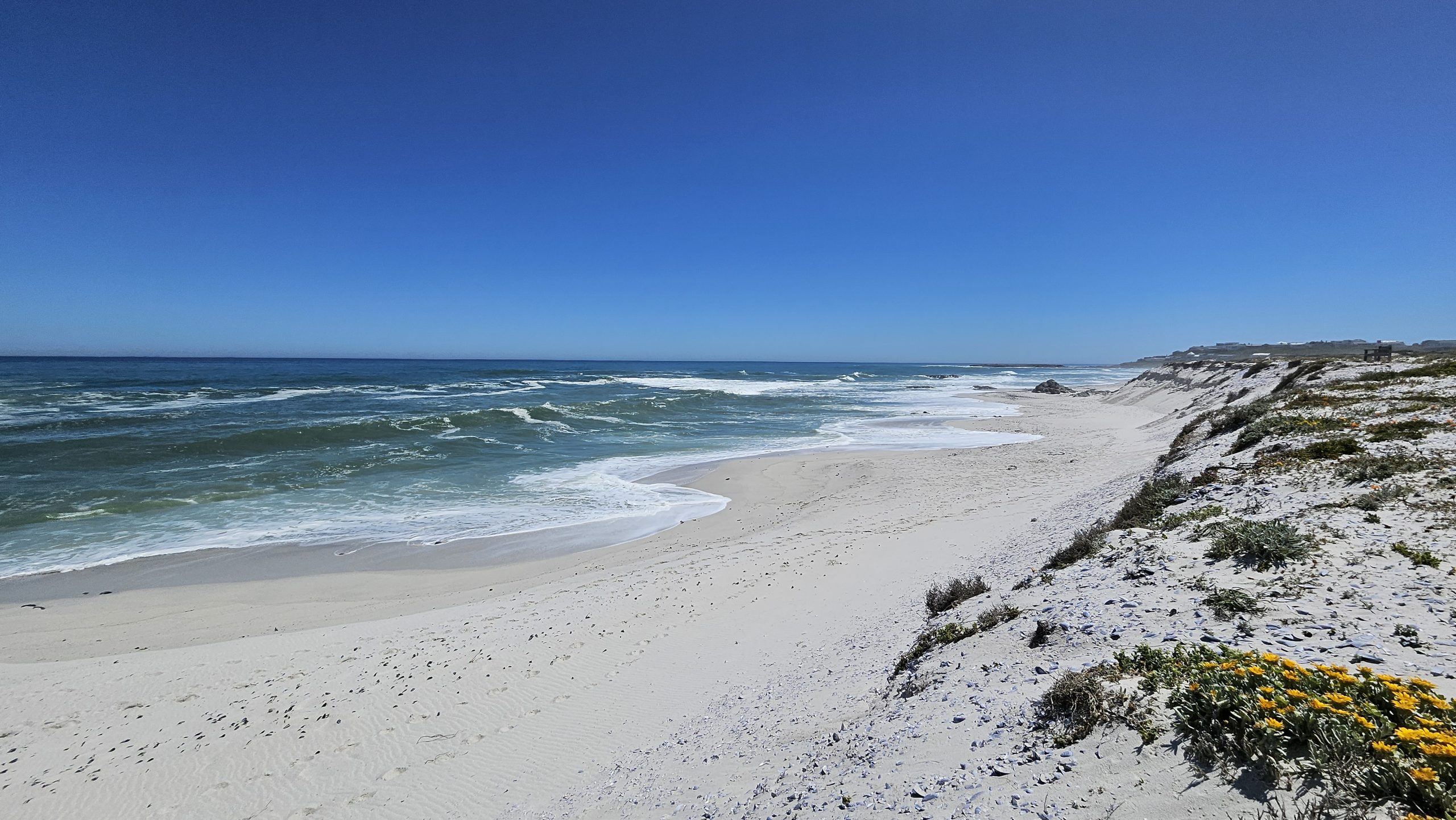
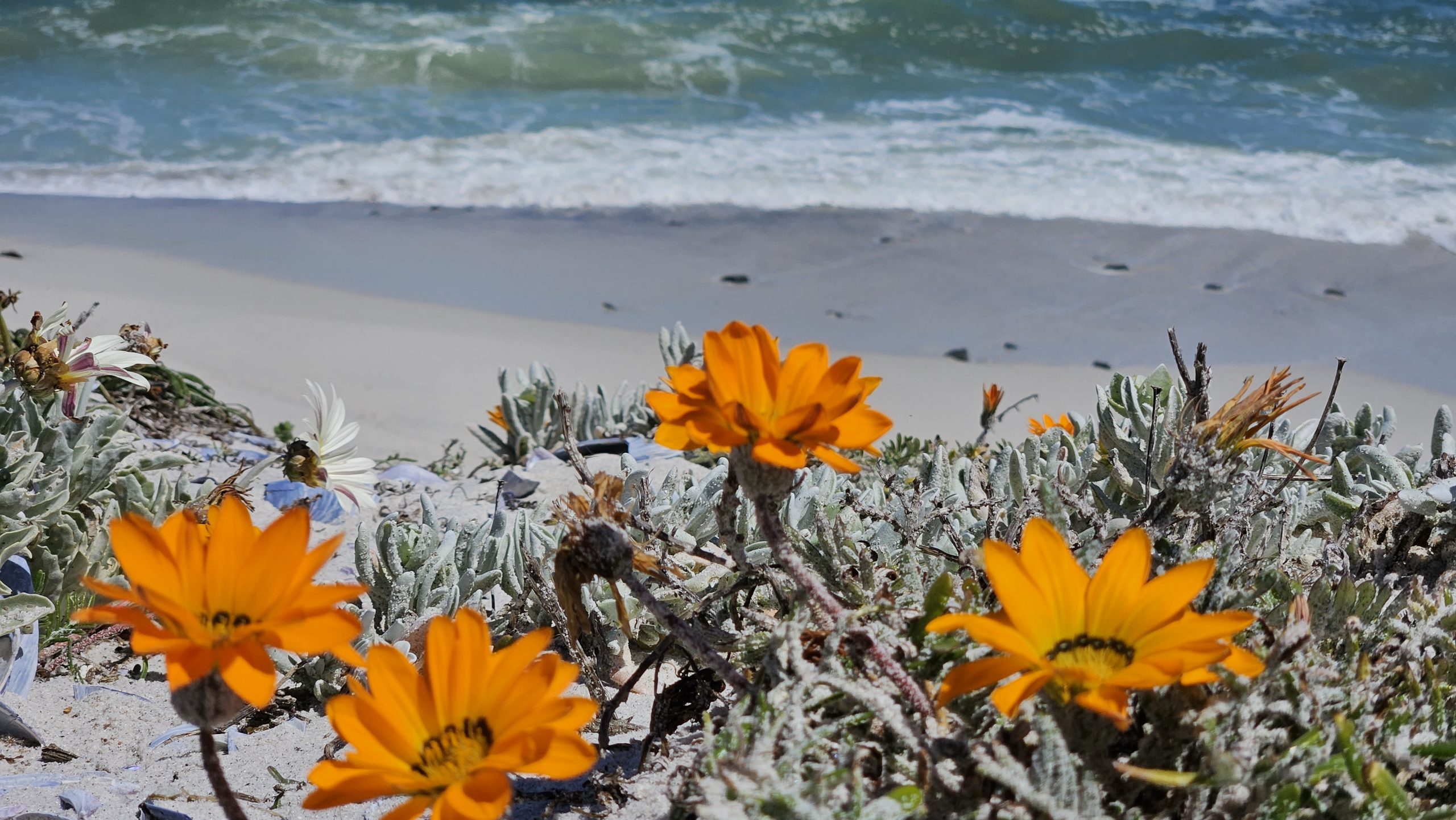
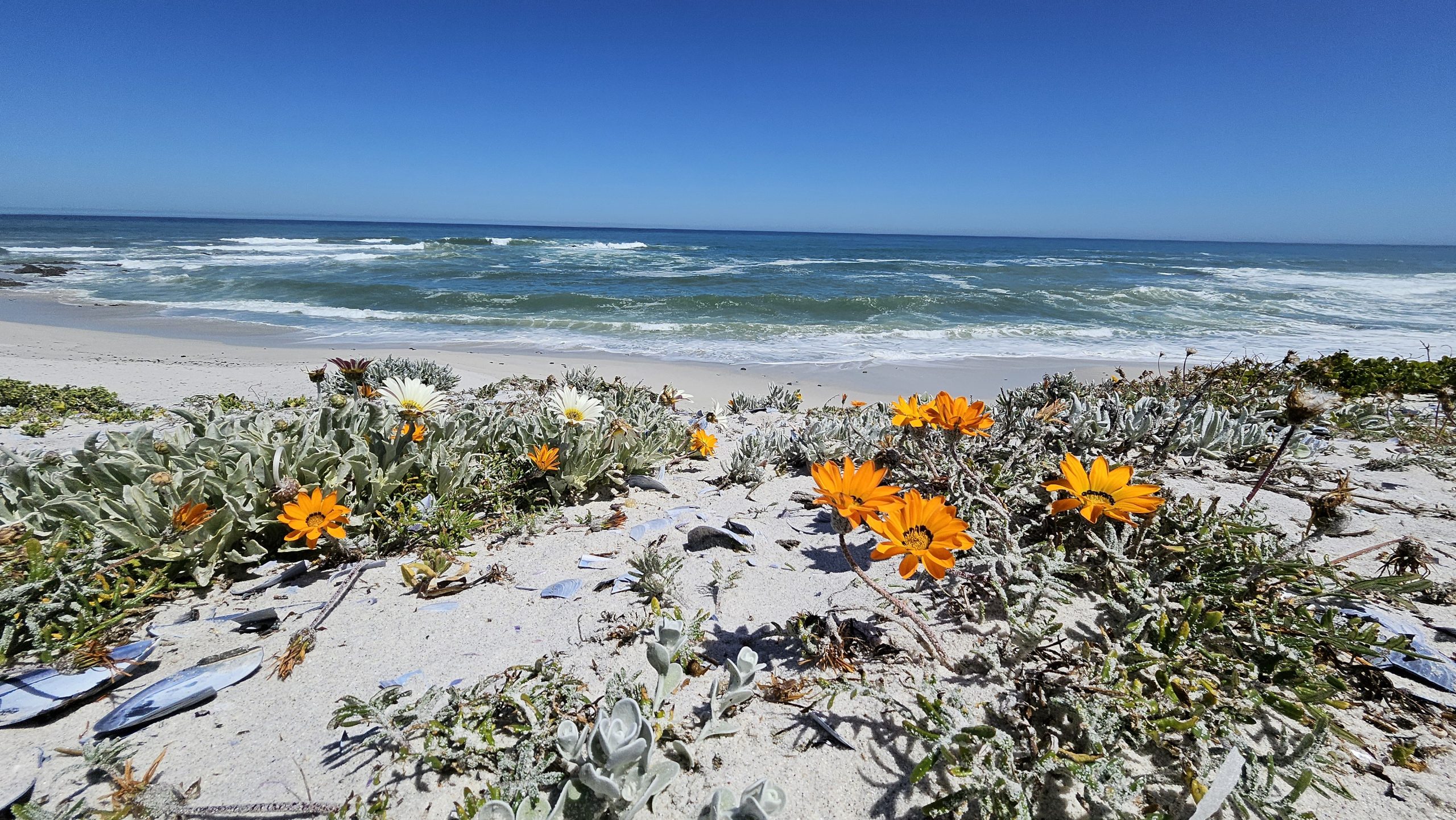
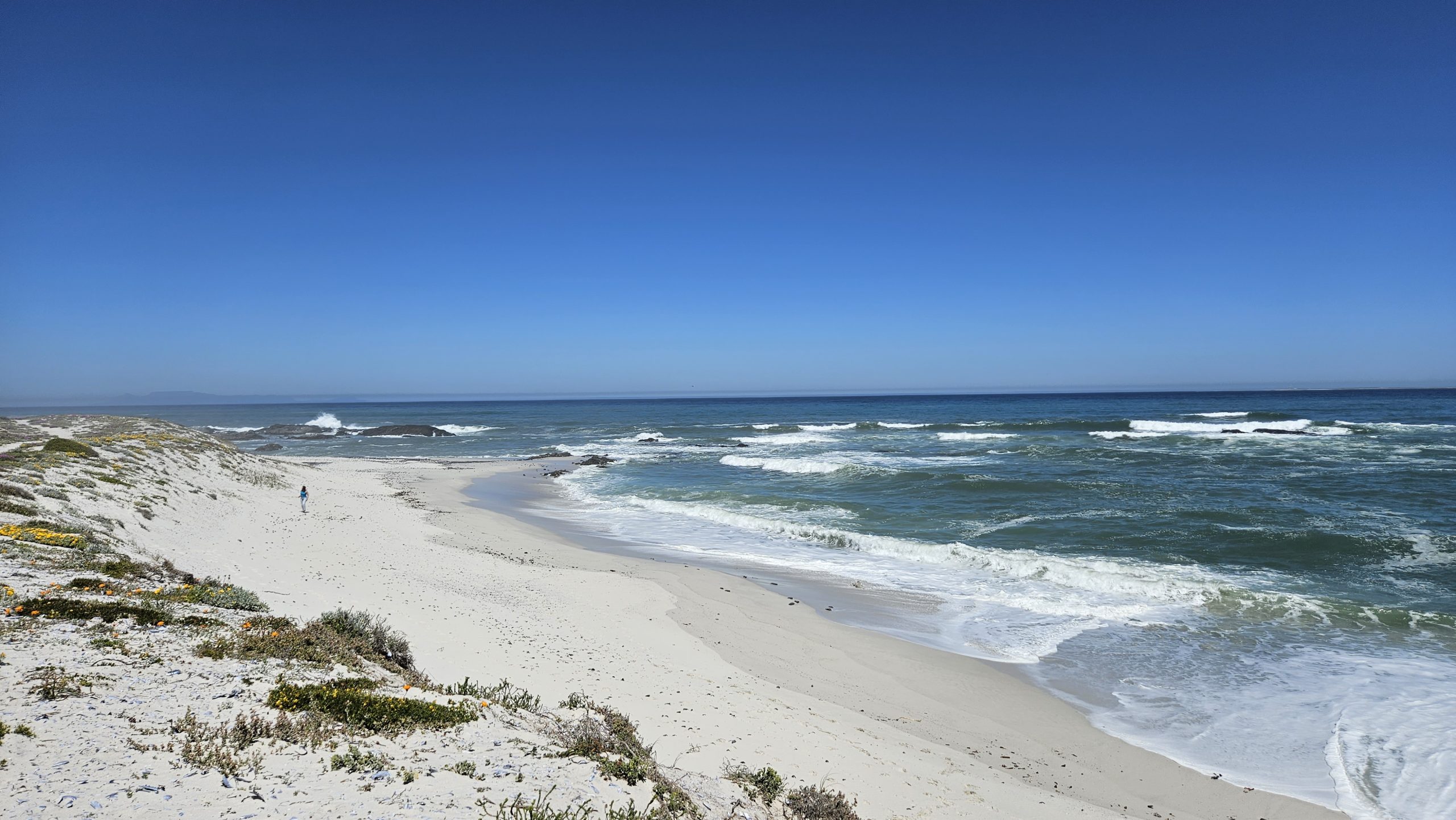
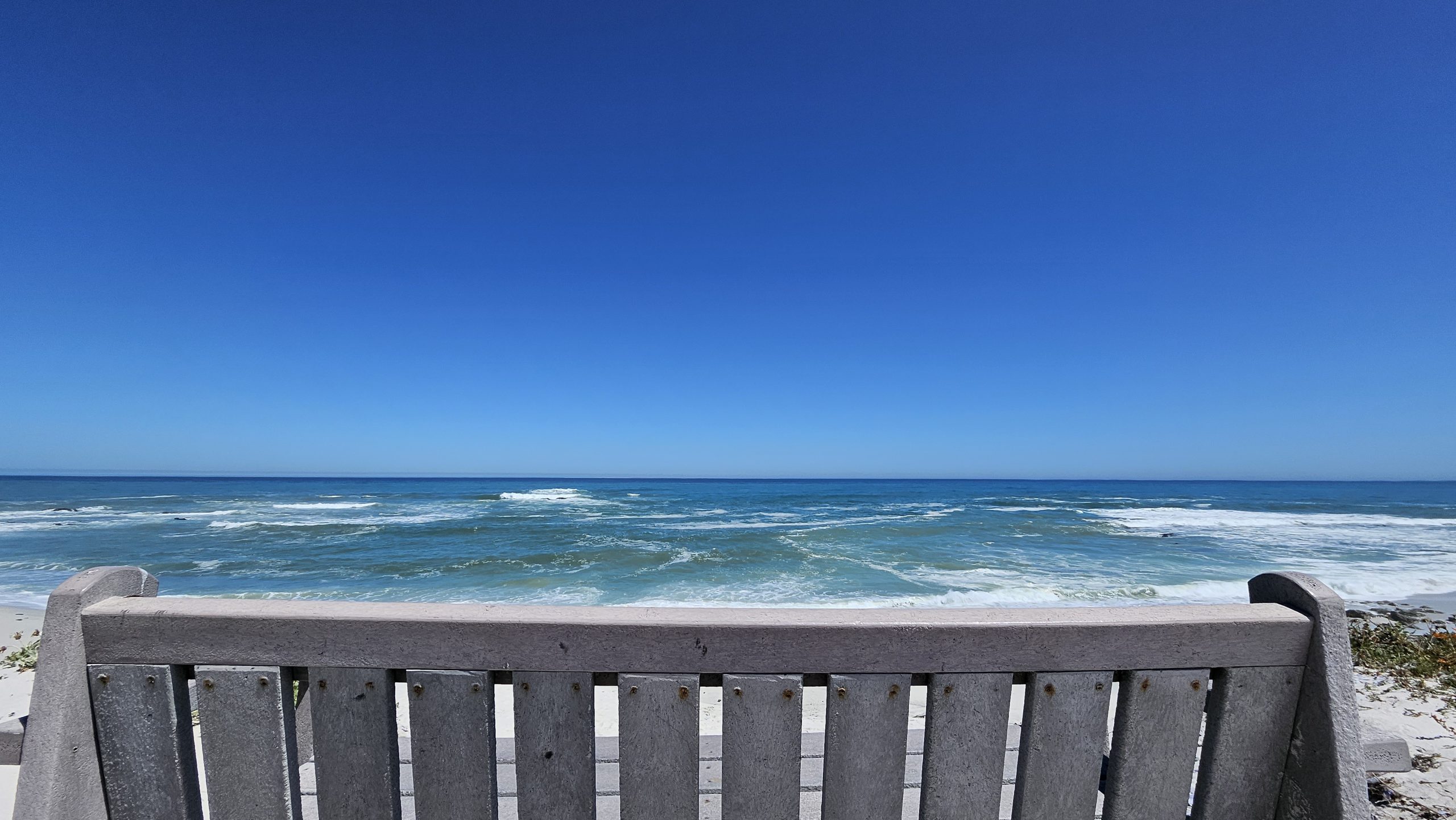
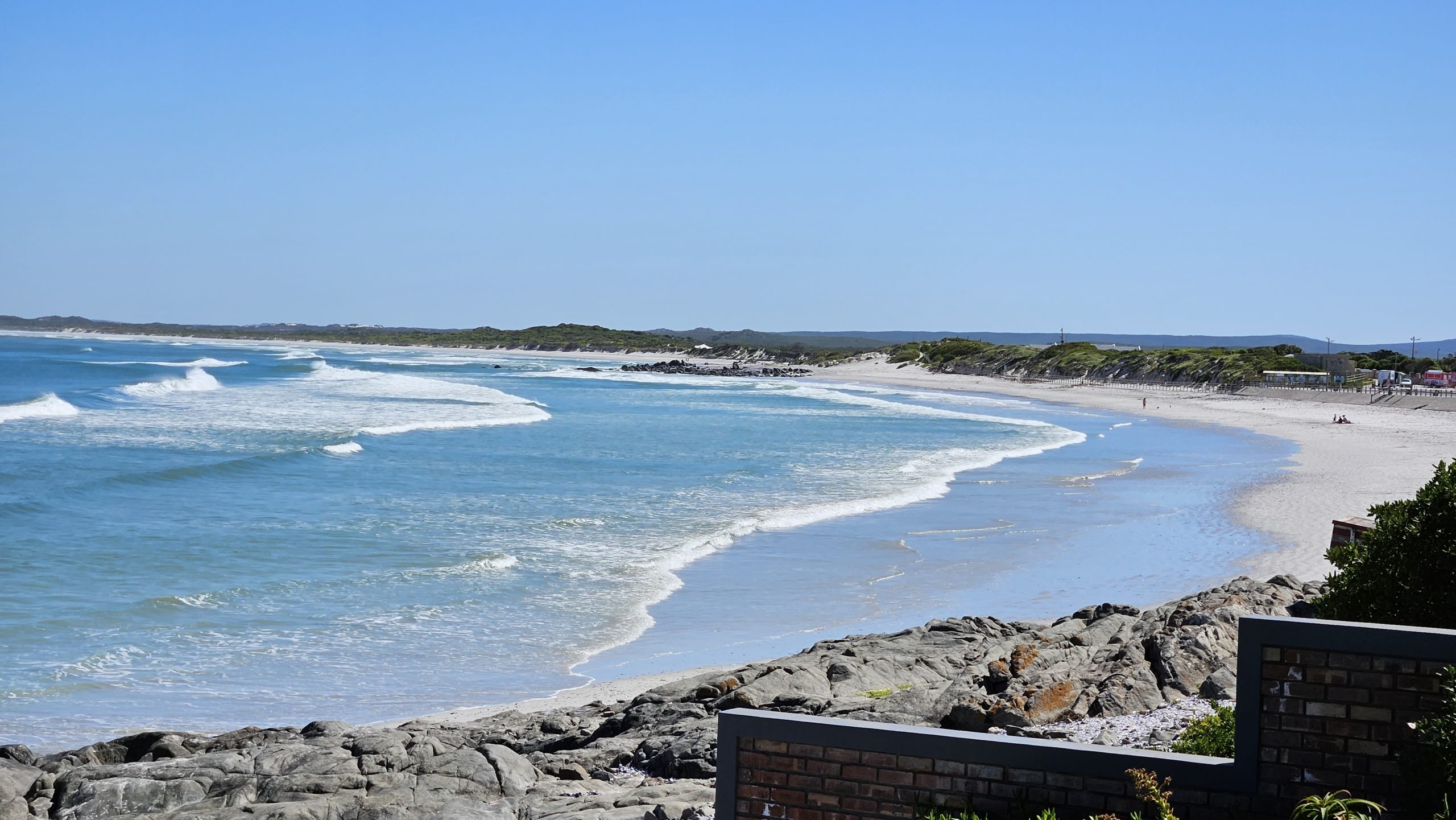
Yzerfontein, literally translated “Iron Fountain”, is a small town on the West coast, about 90 km north of Cape Town. Originally a farm owned by the Katz-family in the 1930s, it was divided into plots for housing. Yzerfontein is envied for its pristine Sixteen Mile Beach, adjacent to the West Coast National park, which borders the town.
Yzerfontein, our hidden gem, is a pleasant one hour
drive from the metropole of Cape Town, also lying 26km west of the village of
Darling.
Having left the suburbs behind, the main arterial road, the R27, is a smooth, scenic drive heading north through long stretches of undisturbed fynbos with views of long bays and blue ocean to the left. The turn-off to Yzerfontein is well signposted and the road immediately hints at the interesting nature of this coastal village. The 9 km stretch to the town offers a couple of quirky stops for refreshments and the white lime kilns on the sides of the road never fail to pique people’s interest. A slight rise before the entrance to the town gives one expansive views of 16 Mile Beach which stretches all the way to the northern tip of the West Coast Nature Reserve and is the longest uninterrupted beach on the South African coastline.
Looking south, is the famous view of Table Mountain in
the distance.
Yzerfontein is a unique destination, and not only
because of the spectacular seascapes, wild fynbos and wildflowers; the entire
town is a designated conservancy where man and nature live in harmony. Raised
walkways, well-defined walking paths and accessible beaches allow visitors to
explore almost every inch of this magnificent coastline. The cold Benguela
current delivers bracingly cold water, but this does not deter regular
swimmers, surfers and almost every other water sport.
Yzerfontein is a popular holiday resort for many
reasons, come and enjoy the warm hospitality of our West Coast town.
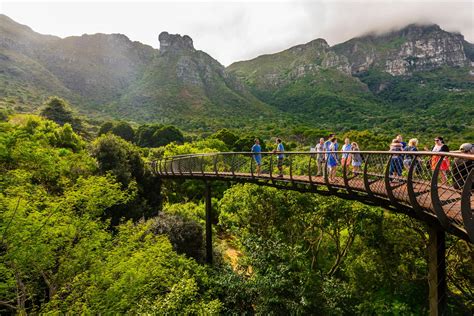
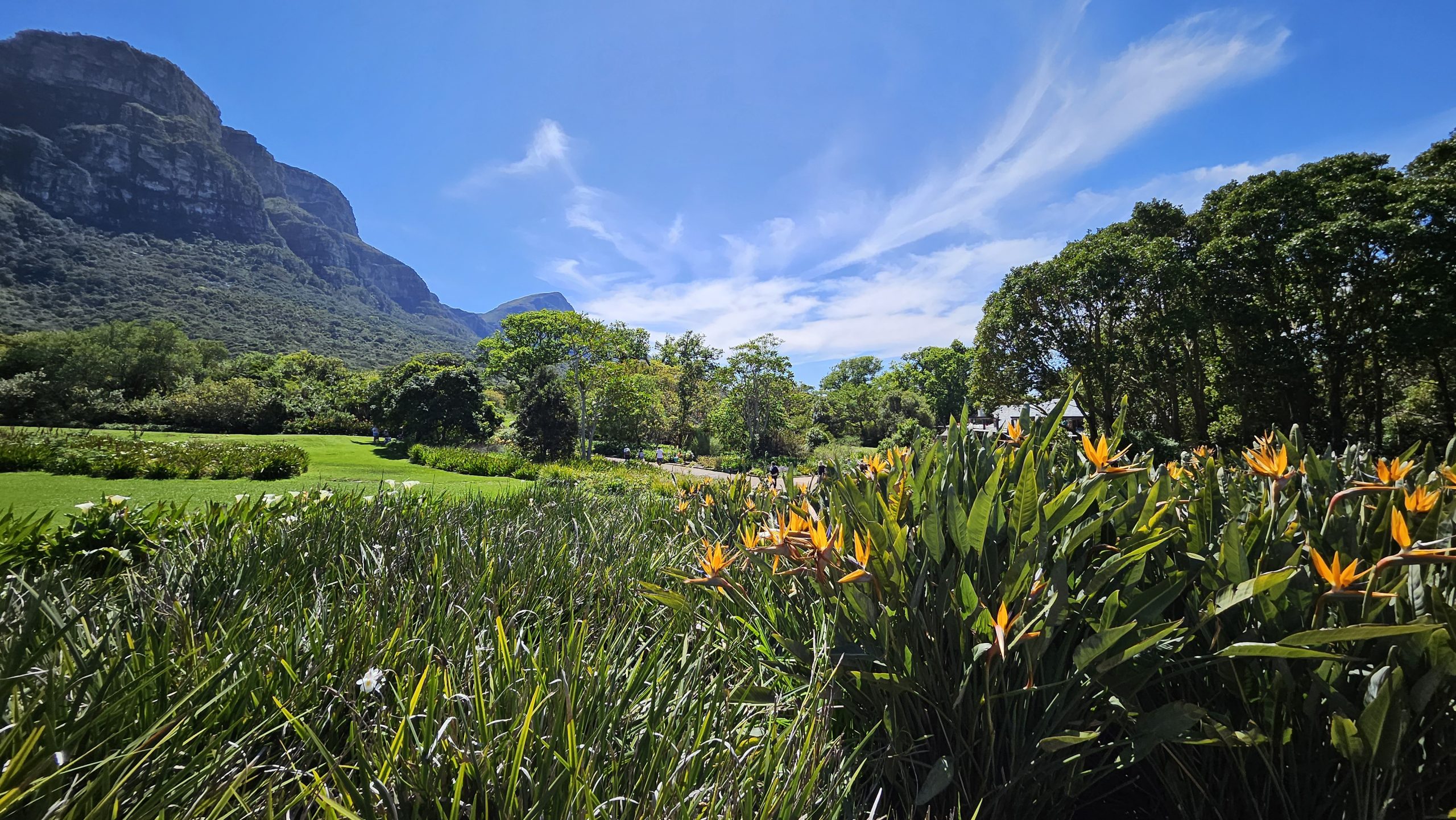
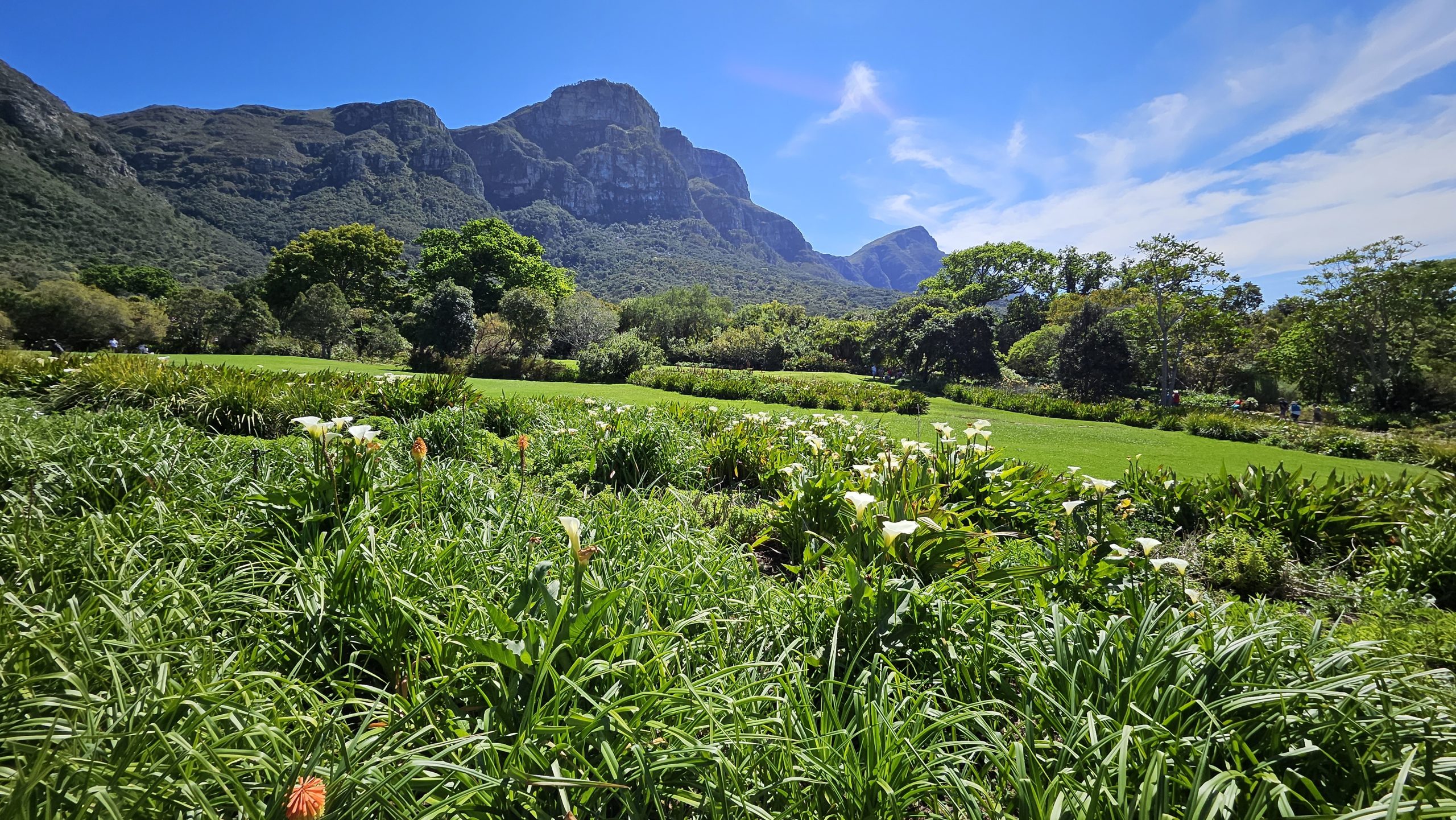
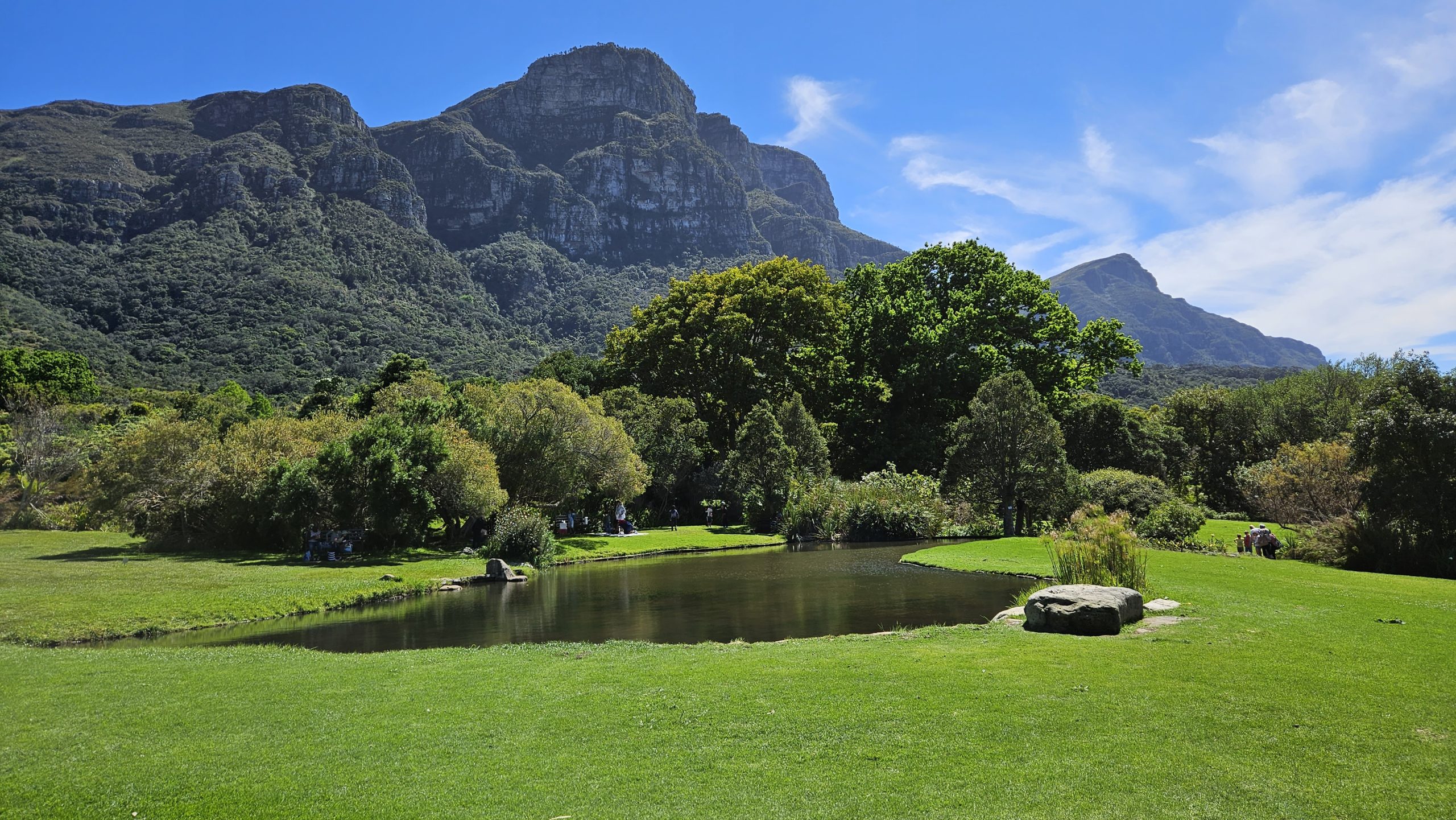
Kirstenbosch is a botanical garden nestled at the eastern foot of Table Mountain in Cape Town. The garden is one of 10 National Botanical Gardens covering five of South Africa's six different biomes and administered by the South African National Biodiversity Institute (SANBI). Prior to 1 September 2004, the institute was known as the National Botanical Institute.
Kirstenbosch places a strong emphasis on the
cultivation of indigenous plants. When Kirstenbosch was
founded in 1913 to preserve the flora native to the
South Africa’s territory, it was the first botanical garden in the world with
this ethos,
at a time when invasive species were not considered an
ecological and environmental problem.
The garden includes a large conservatory (The Botanical Society
Conservatory) exhibiting plants from a number of different regions,
including savanna, fynbos, karoo and others.
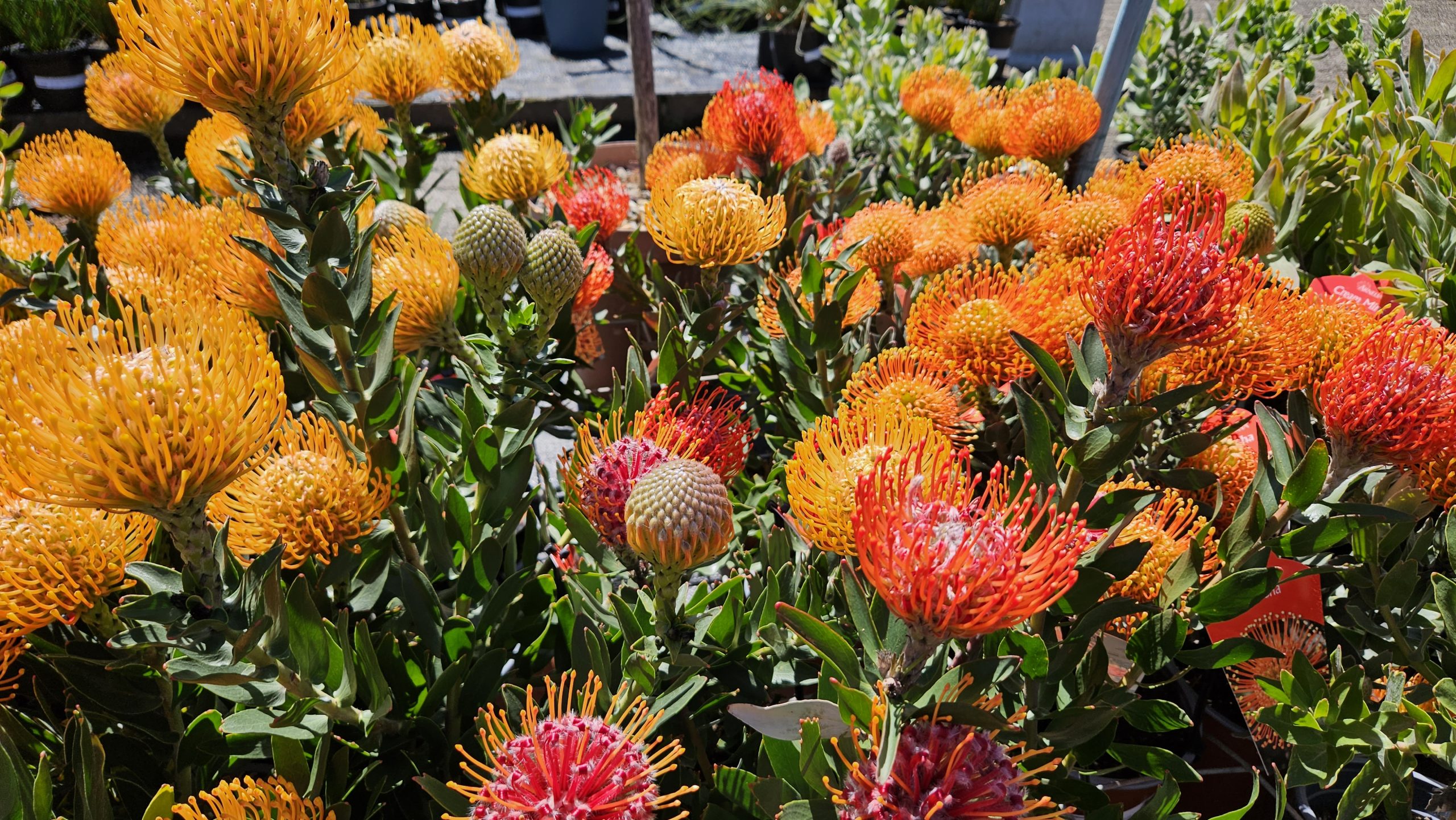
Outdoors, the focus is on plants native to the Cape region, highlighted by the
spectacular collections of proteas.
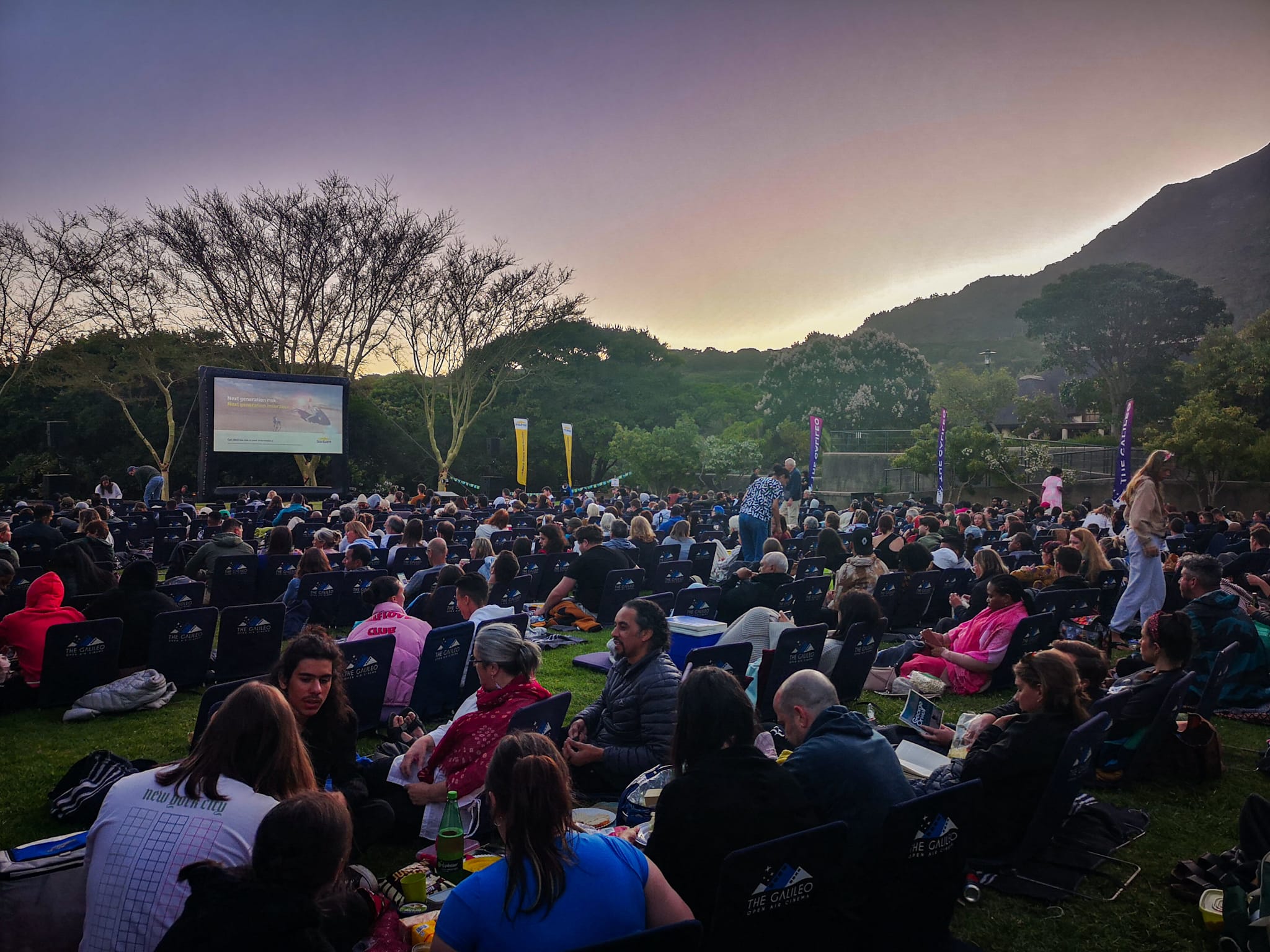
Also check out the Galileo outdoor cinema from December to March
Or the sunday summer concerts from December till March
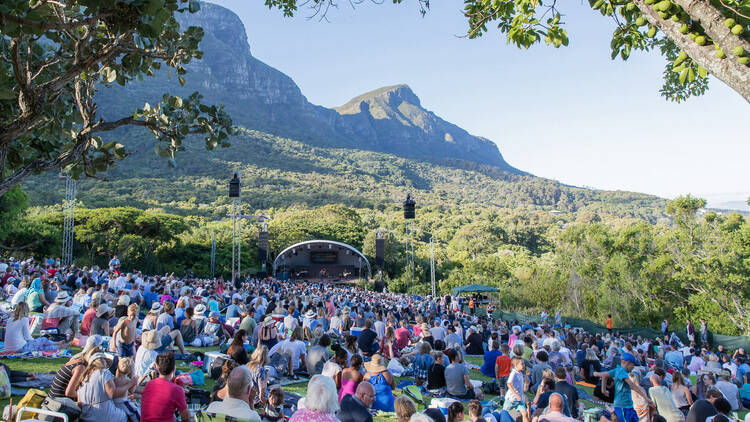
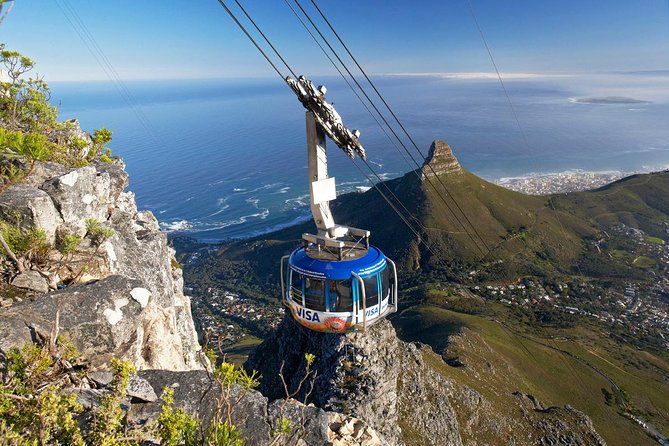
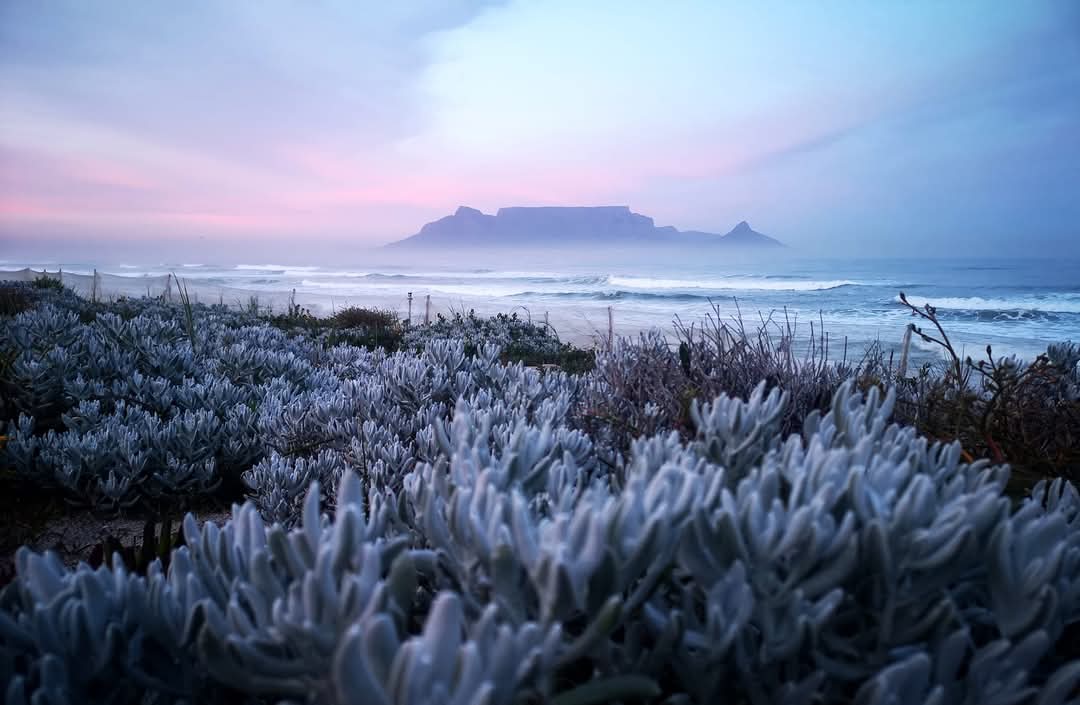
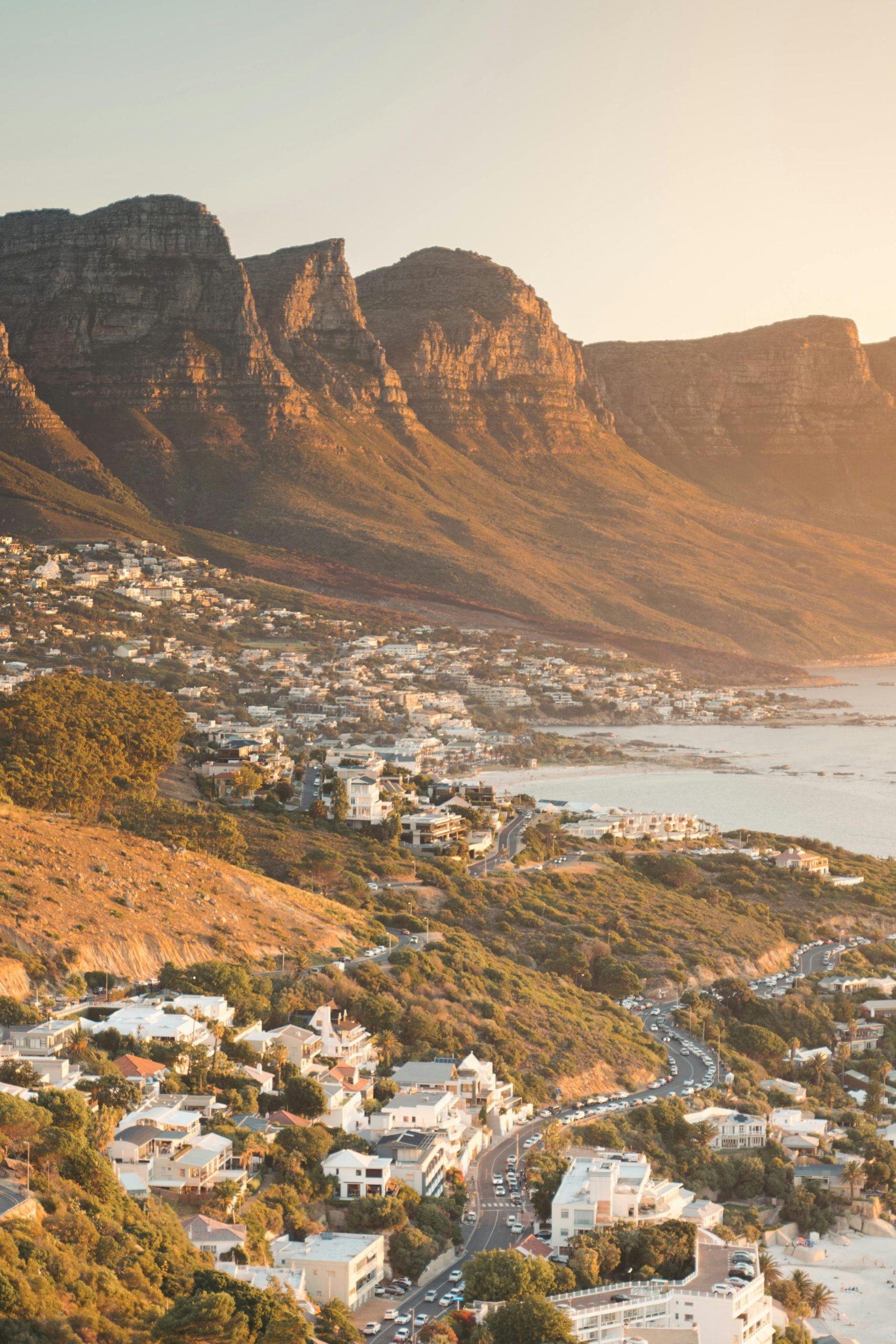
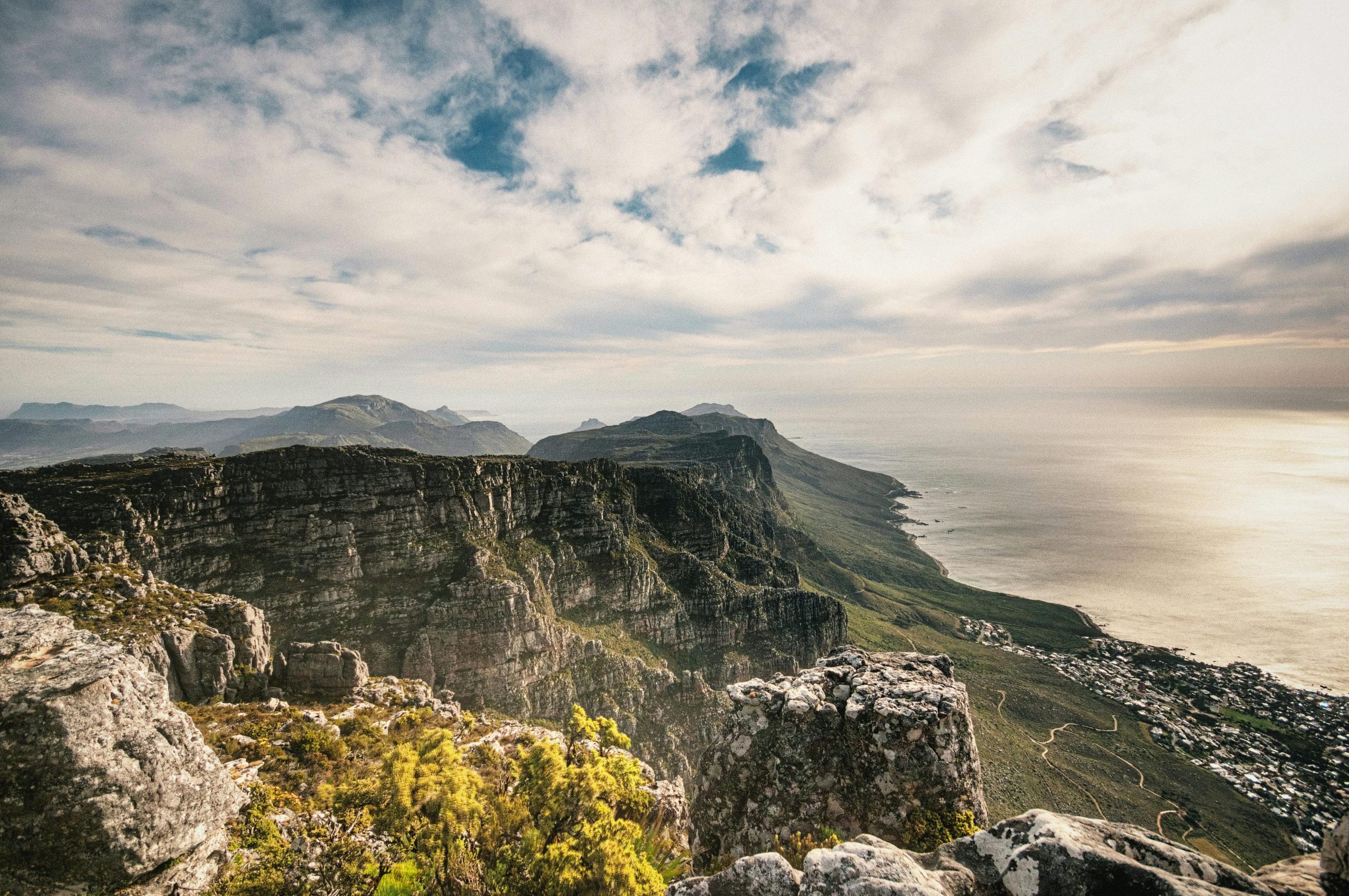
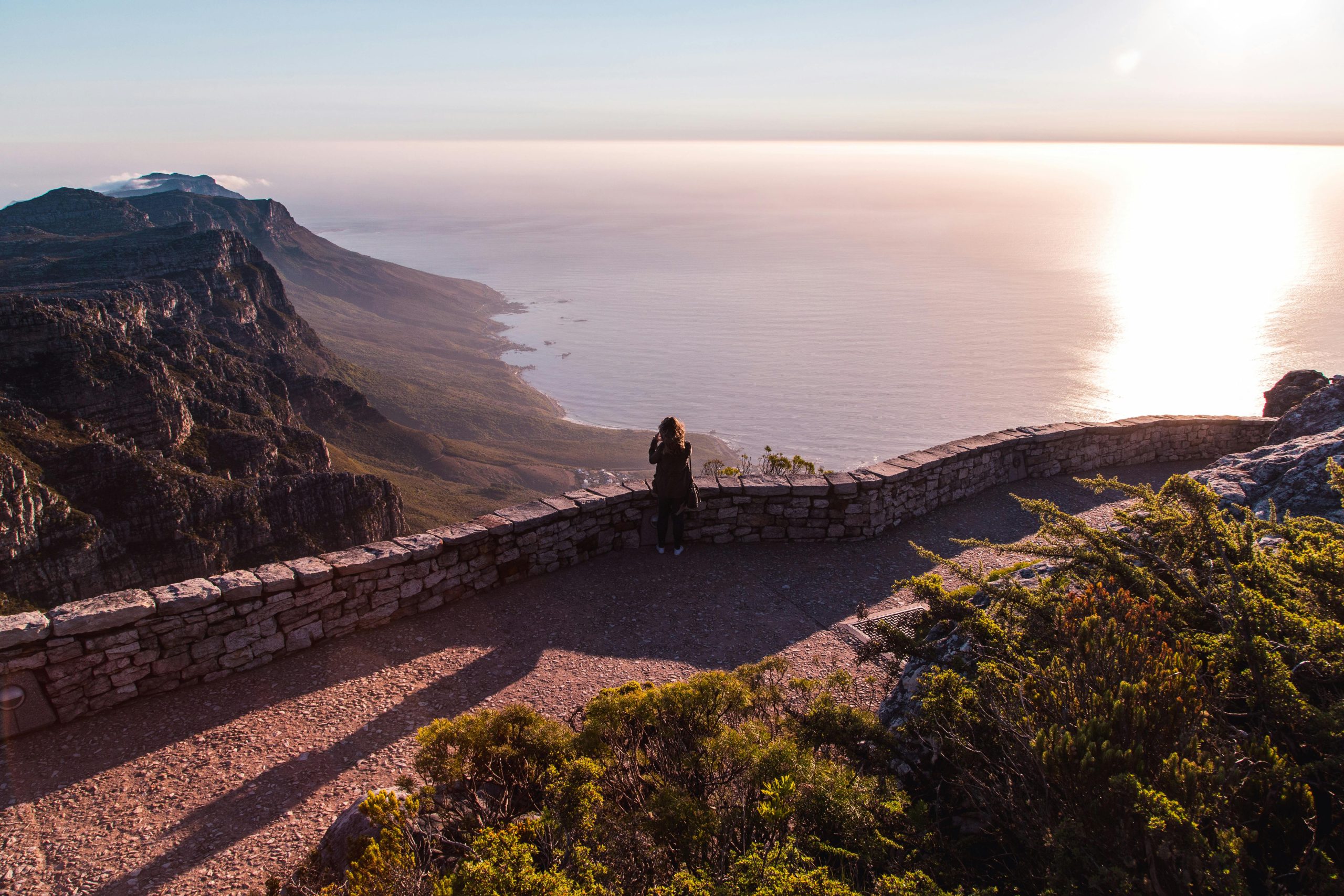
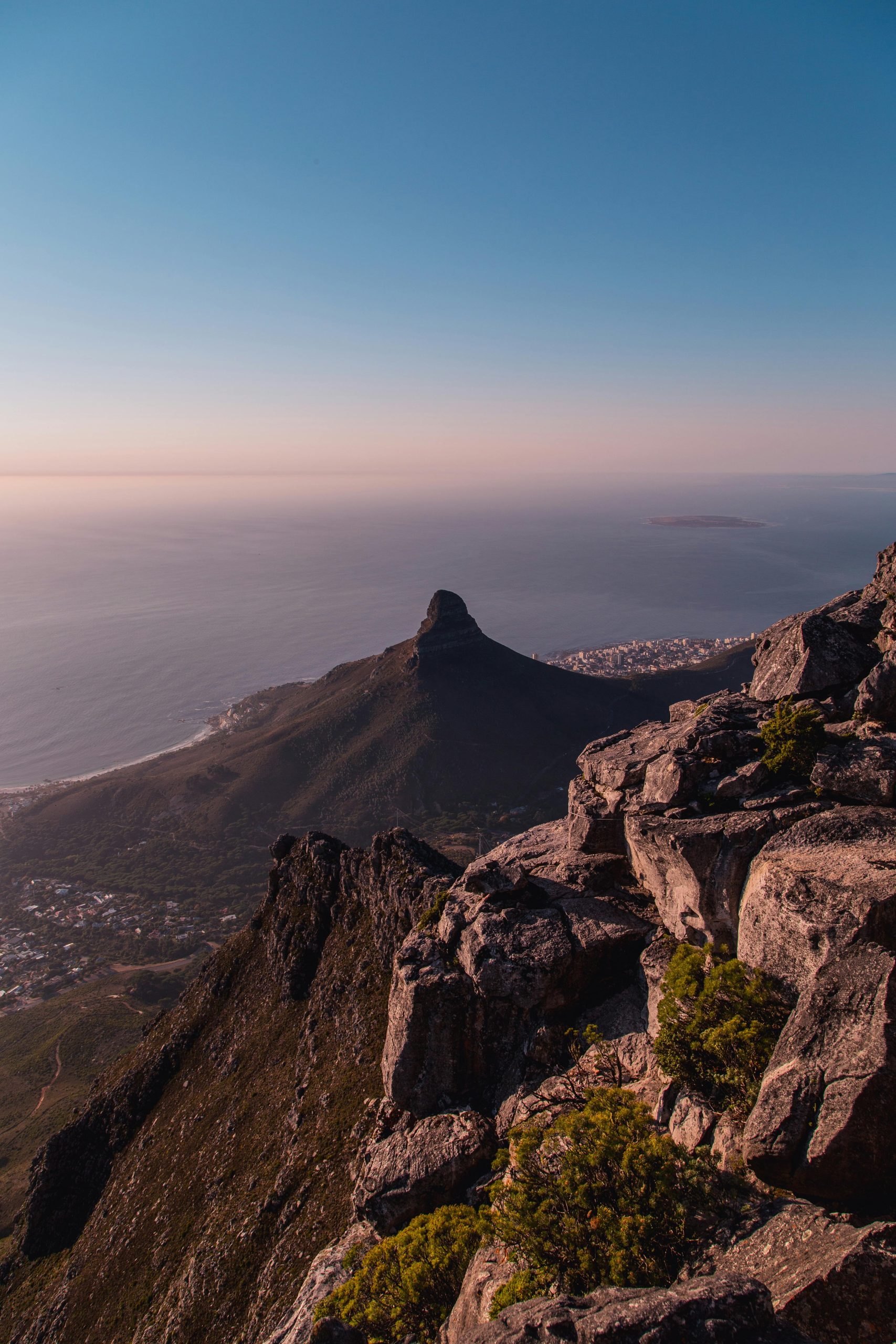
Table Mountain is a flat-topped mountain forming
a prominent landmark overlooking the city of Cape Town in South Africa.
It is a significant tourist attraction,with many visitors using
the cableway or hiking to
the top.Table Mountain National Park is
the most visited national park in South Africa, attracting 4.2 million people
every year for various activities.
The mountain has 8,200 plant species, of which around
80% are fynbos,
meaning fine bush. It forms part of the Table Mountain National Park, and part of
the lands formerly ranged by Khoe-speaking clans,
such as the !Uriǁʼaes (the "High Clan"). It is home
to a large array of mostly endemic fauna and flora. Its top elevates about 1,000 m
above the surrounding city, making the popular hike upwards
on a large variety of different, often steep and rocky pathways
a serious mountain tour which requires fitness,
preparation and hiking equipment.
Riding the cable car up Table Mountain is only one of
the several activities you can do!
Platteklip Gorge Hike
Platteklip Gorge is the easiest by miles. A
straightforward walk up a series of switchbacks and staircases, the route
involves no climbing over boulders or inching along crumbling ledges.
But you will need to be reasonably fit, suitably
equipped, well watered and sun-blocked. Be prepare to share: the Platteklip
route is very popular and often crowded in summer. It is, however, the safest
route up, well patrolled and maintained, and there’s always time to stop and
have a chat with fellow red-faced hikers.
Lion’s Head hike
It’s no wonder the Lion’s Head trail is the most
popular among the Cape’s many hikes: it’s relatively short, offers a great
workout, and the views from the summit are well worth the trip.
A relatively short hike lasting around two to three
hours, the trail winds its way around the mountain, offering incredible views
along the way (which pale in comparison to what’s visible from the top).
The route is clearly marked, and most of it can be
easily traversed by foot (the path from the parking lot runs uphill for quite a
while, offering a particularly good workout). There is a little rock scrambling
as you near the summit, but the only part of the trail that could be considered
intimidating are the metal ladders and climbing chains required to ascend the
rock face at one point. Thankfully, these can be skipped via a roundabout
footpath.
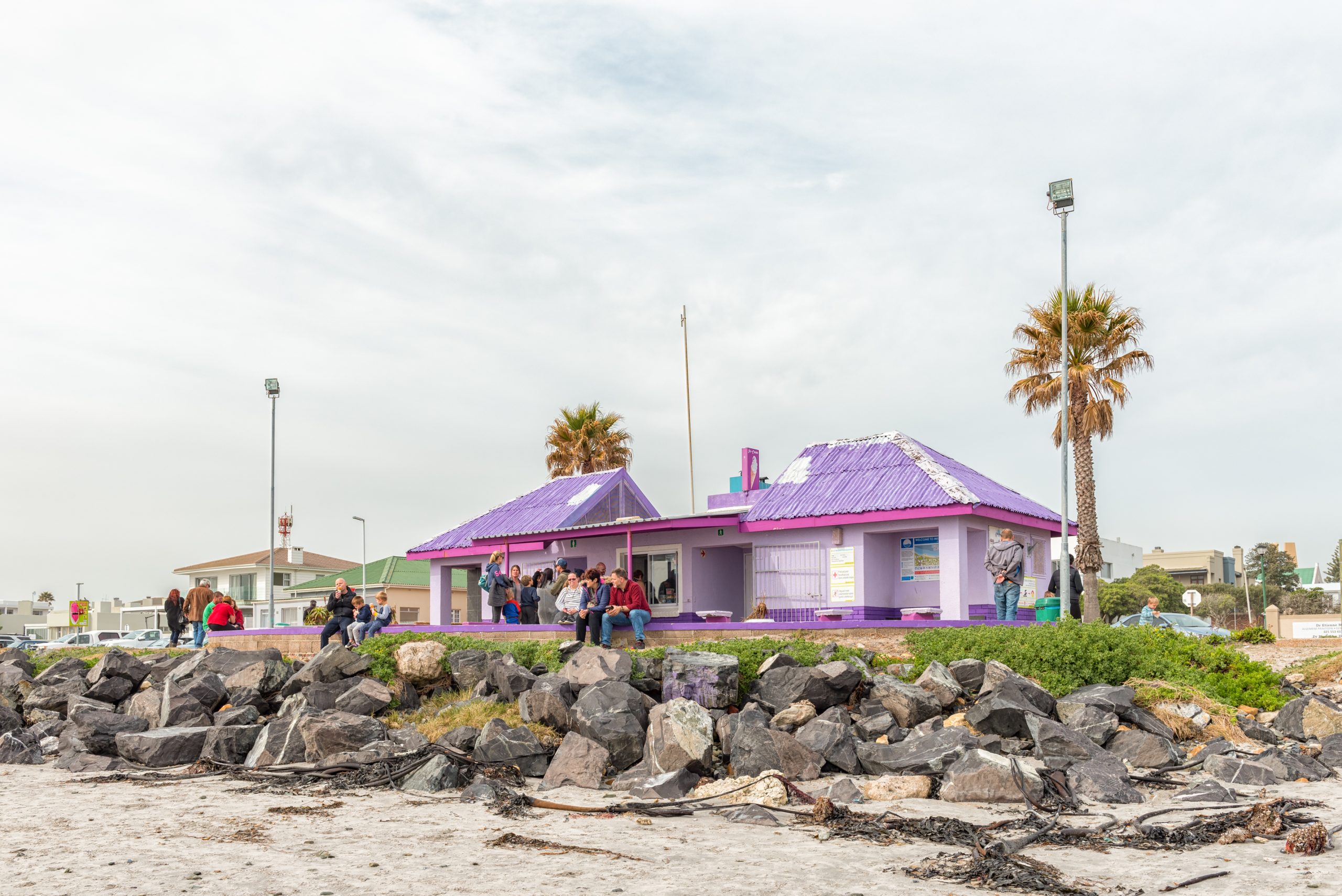
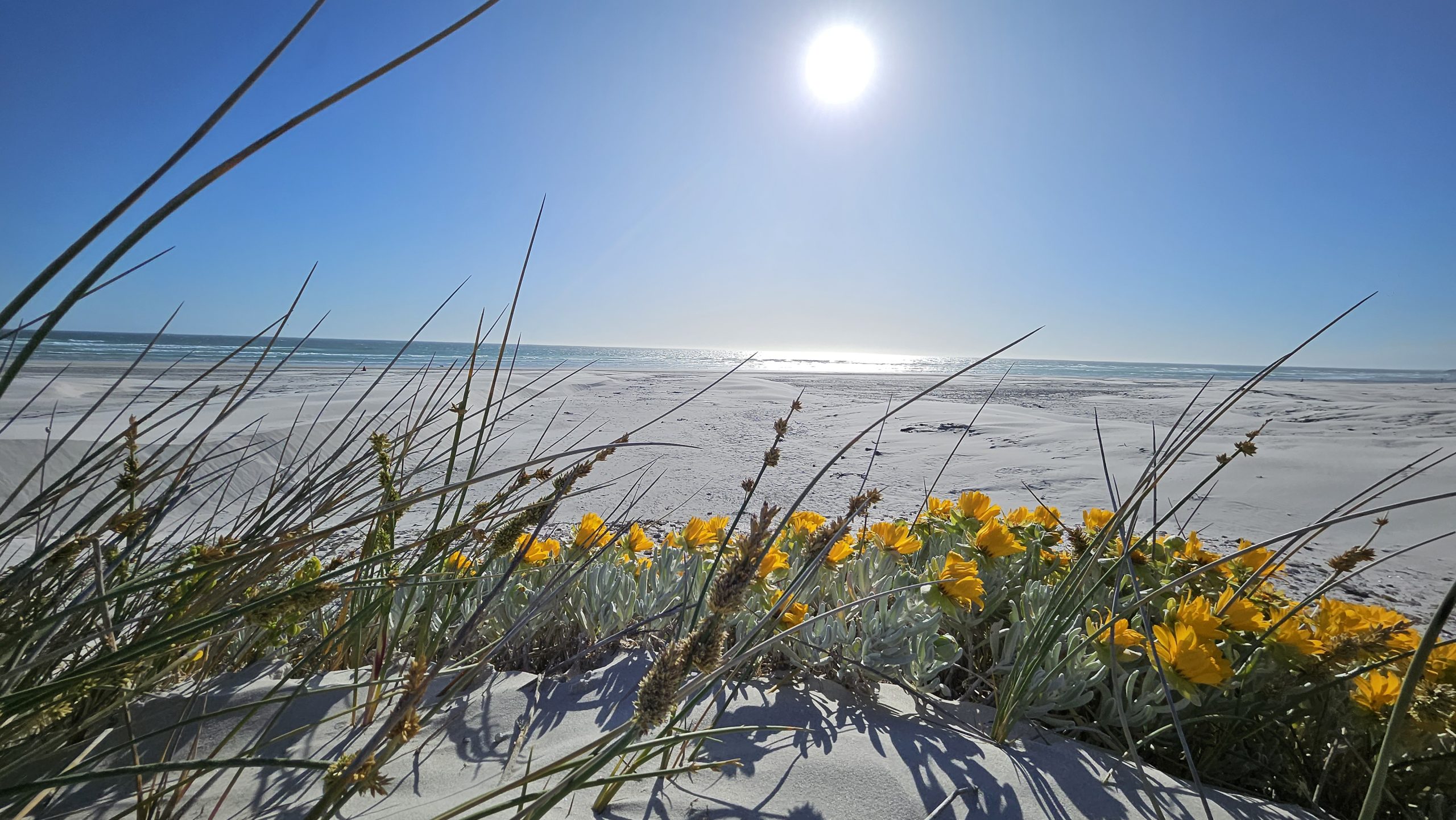
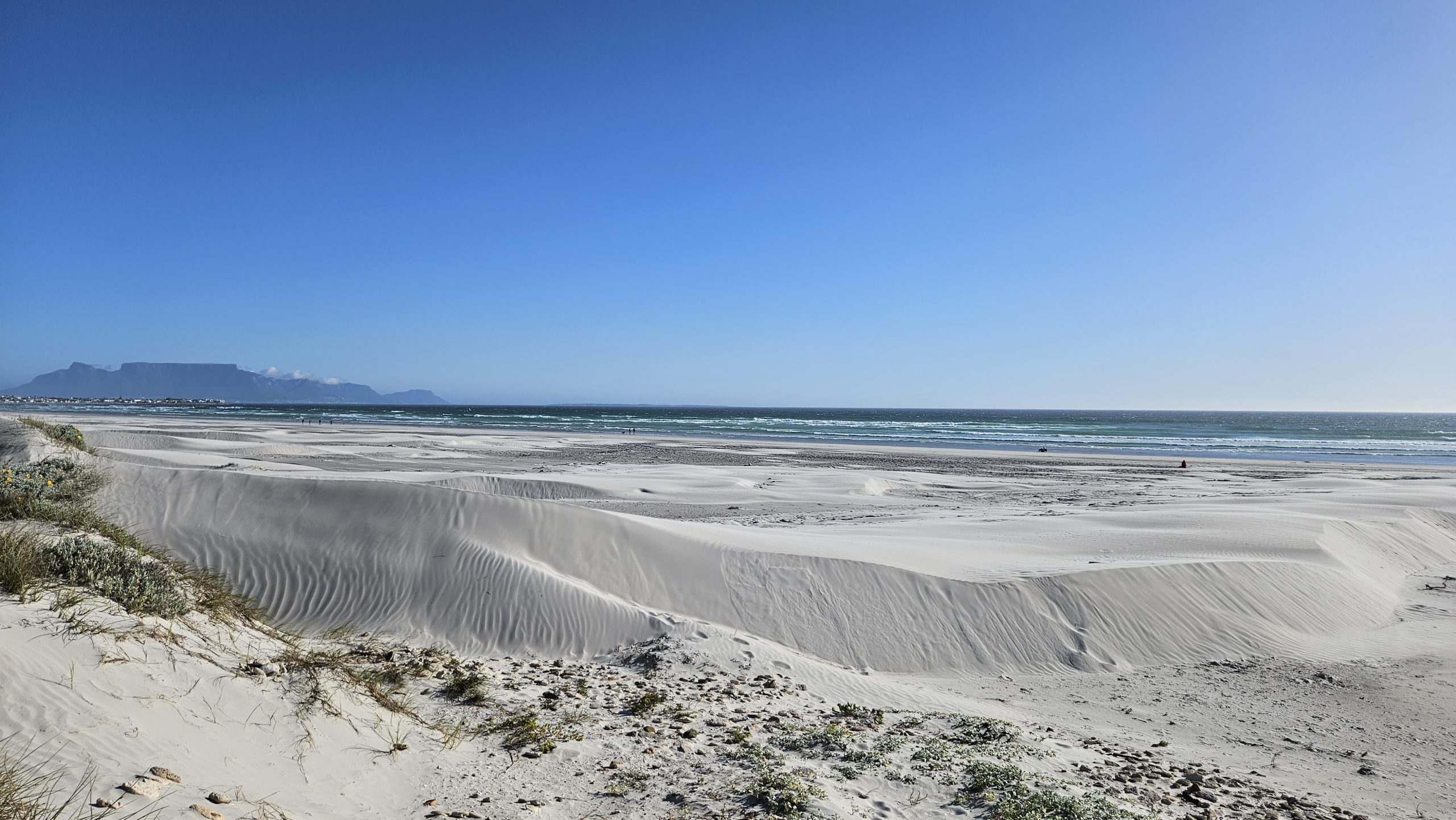
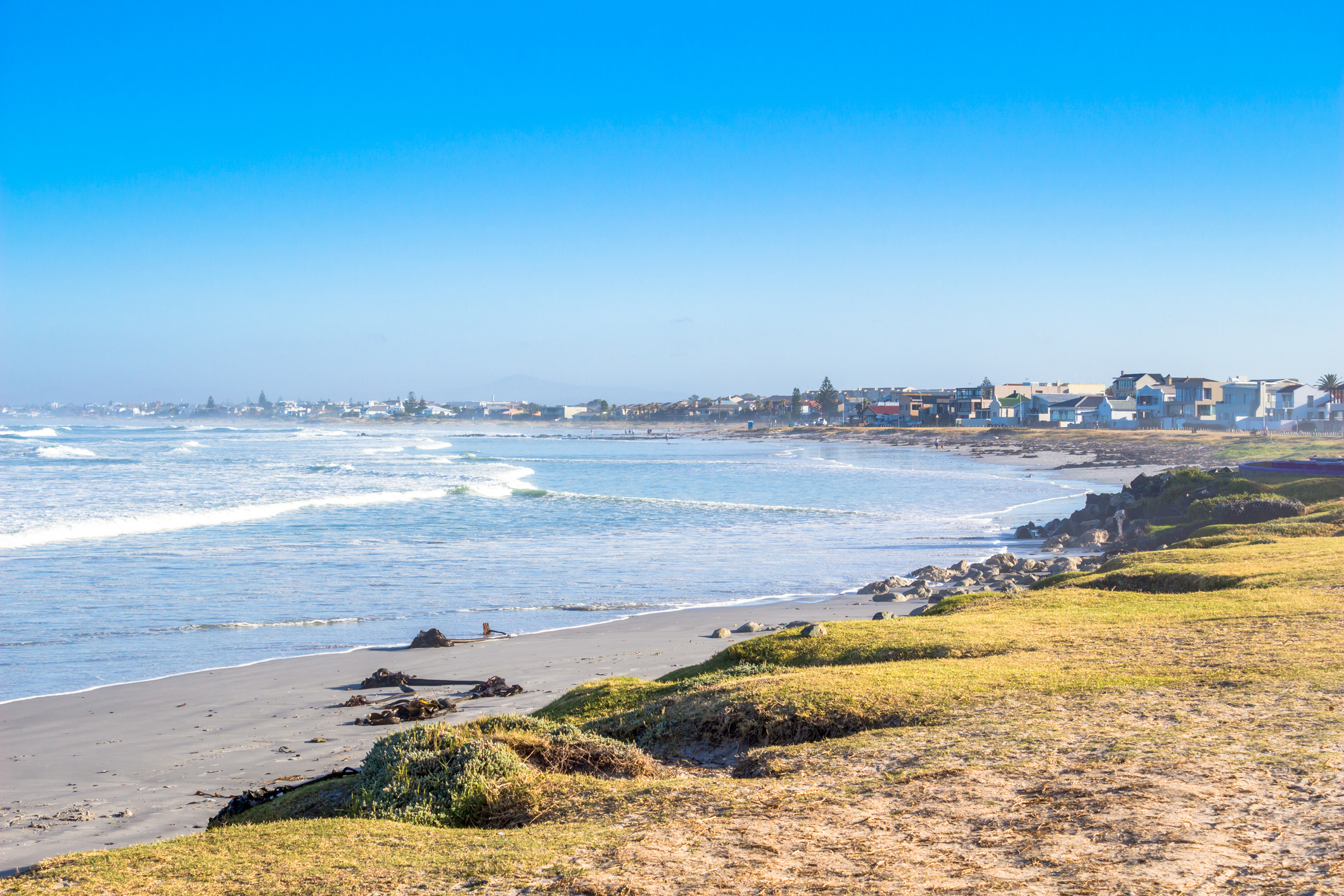
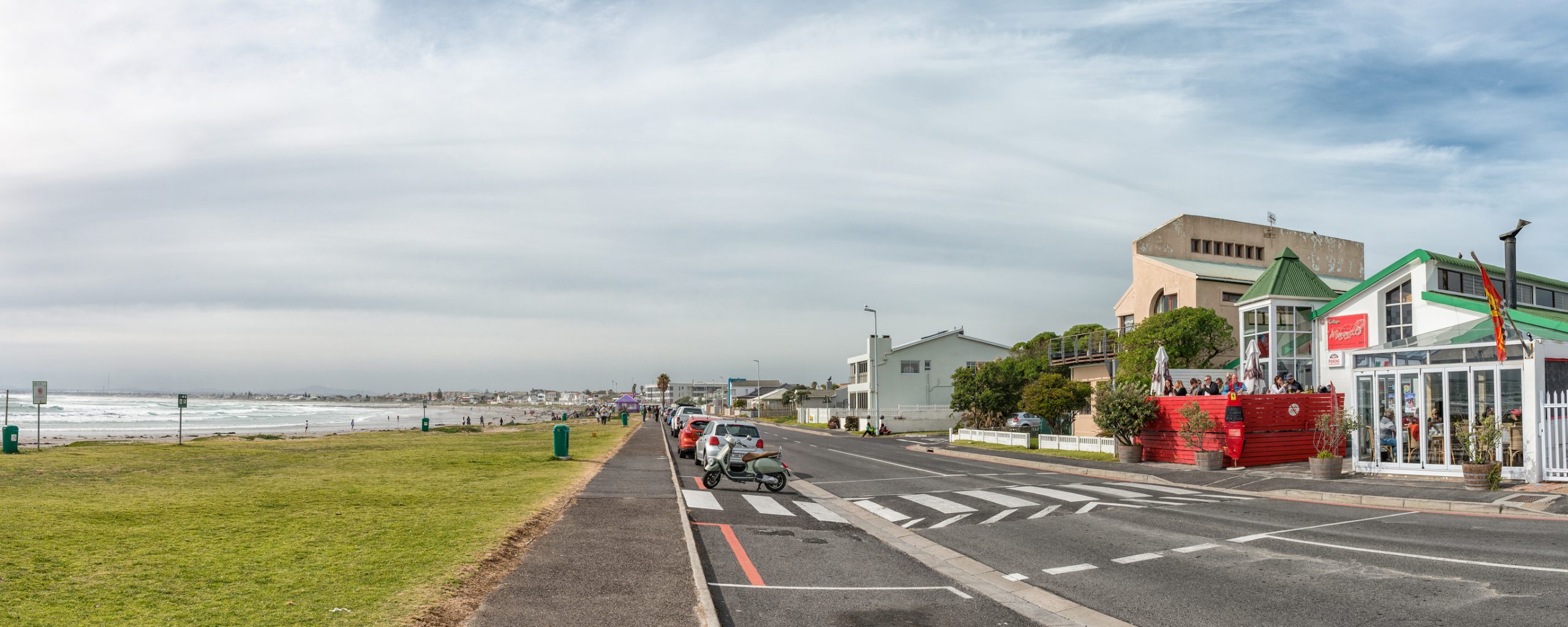
Melkbosstrand literally translates to ‘milk bush beach’ and refers to the Euphorbiaceae bushes which grow on sand dunes in the area and which give off a milky latex-like substance. A favourite with locals, Melkbos is the quintessential seaside village, but with all the amenities one could wish for, including several inviting beachfront restaurants, modern supermarkets and ATMs. Melkbosstrand is a Blue Flag Beach and is located on the West Coast Way Culture Route. Blue Flag is a world-renowned eco-certification for beaches and marinas. When you see a Blue Flag flying, you know a beach or marina is clean and accessible; has great water quality; meets high safety standards; and is working hard to protect local shorelines and ecosystems.
The long Main Beach is backed by green lawns that are
perfect for sand-free picnics, and there are several cafés and restaurants
dotted along Beach Road. A popular water sports beach, conditions are superb
for wind and kite surfing and surf skiers and the calm waters also make
Melkbosstrand ideal for sea kayakers to enjoy long paddles along the coast.
However, there is enough of a wave to also keep the surfers happy at two spots
known as Beach Road and Captains.
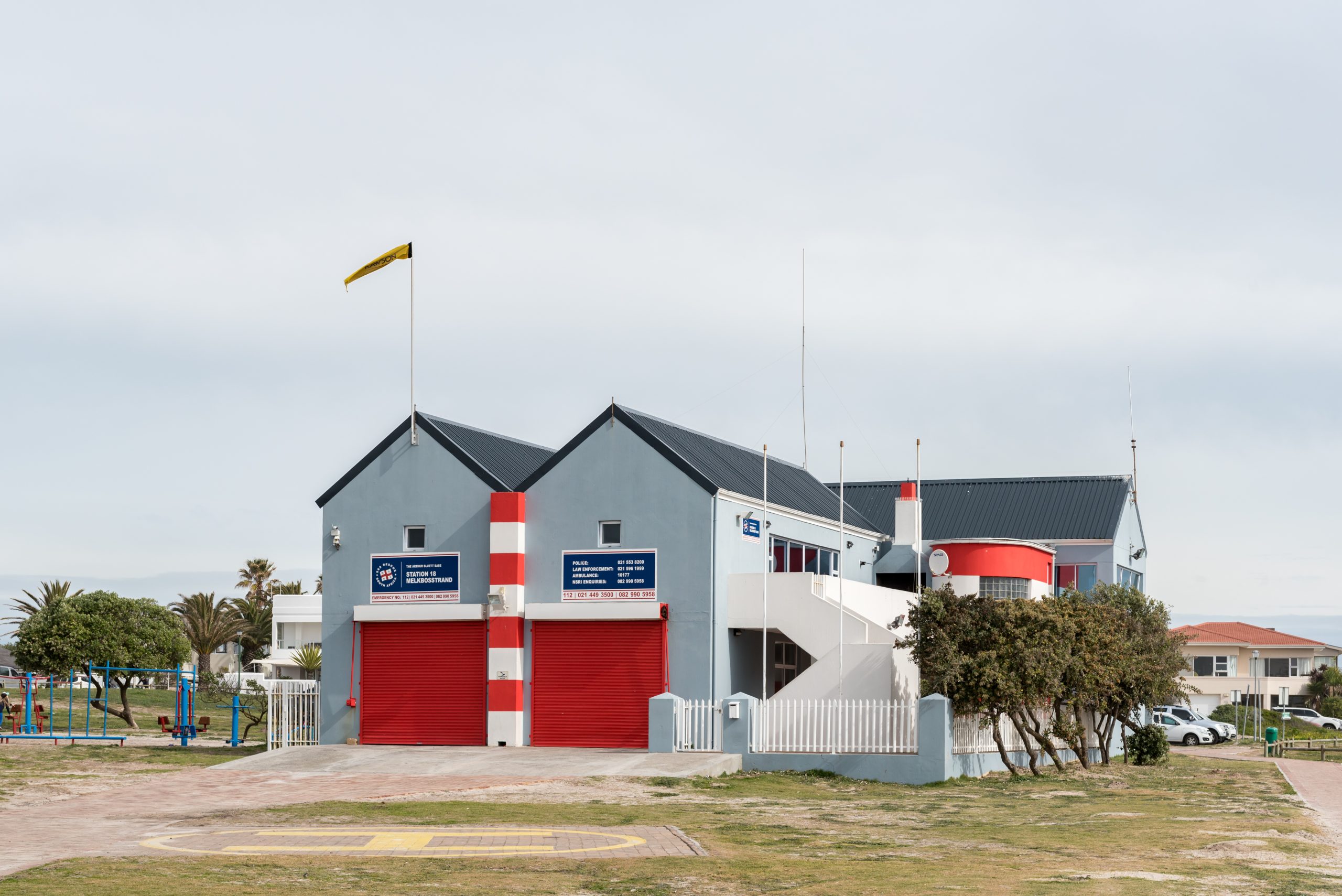
For boating enthusiasts, there is a safe slipway on the northern edge of Melkbos Point for leisure craft. It is also home to the National Sea Rescue Institute’s Station 18.
A rocky outcrop called Slabbert se Klippe – a popular
fishing spot – demarcates Main Beach from Kapteinsbaai to the north, which
gives way to Van Riebeeckstrand. This means that it is possible to walk along
the beach all the way from the rocky point known as Melkbos Point in the south,
to the border of the Koeberg Nuclear Power Station – a distance of some 4 km.
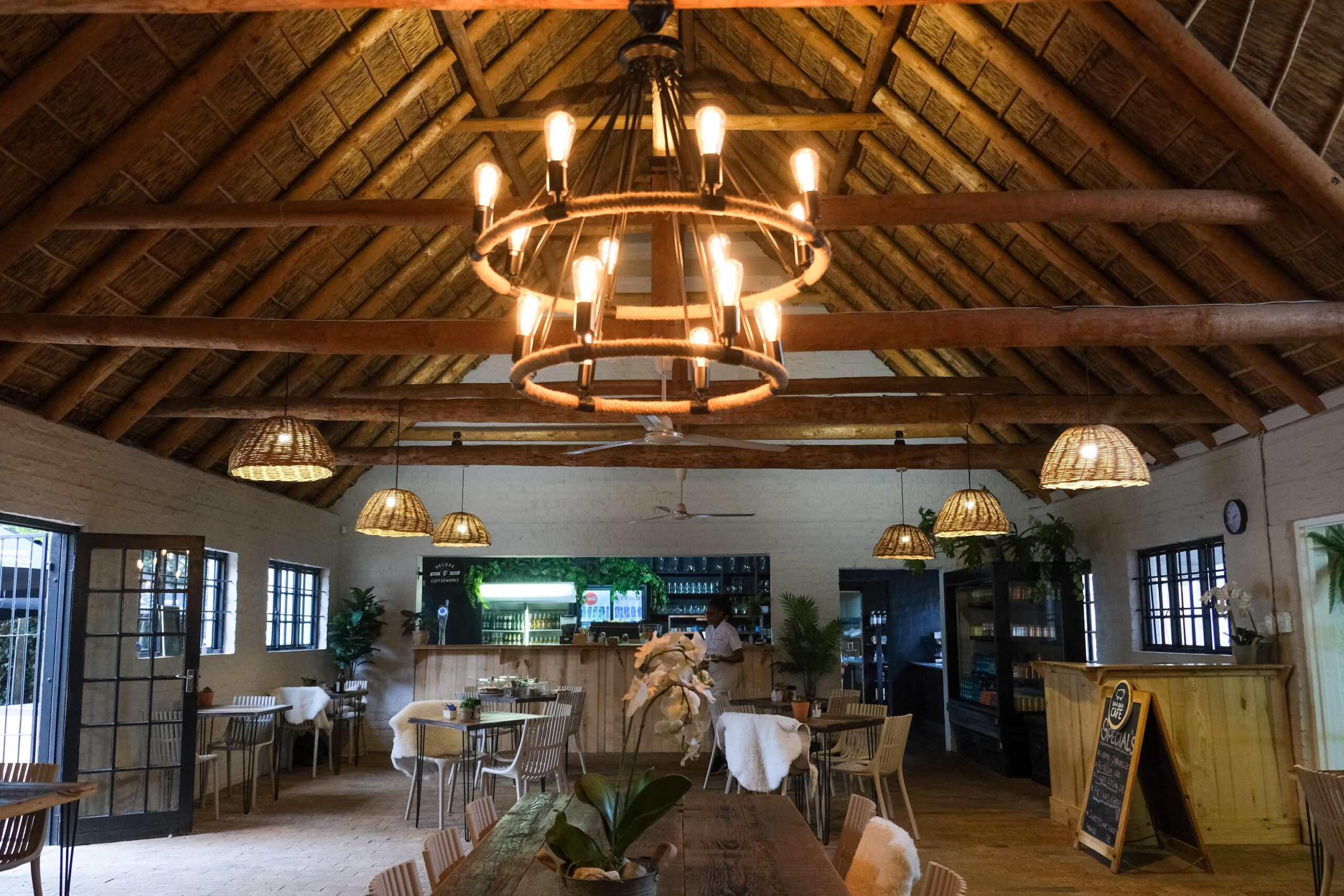
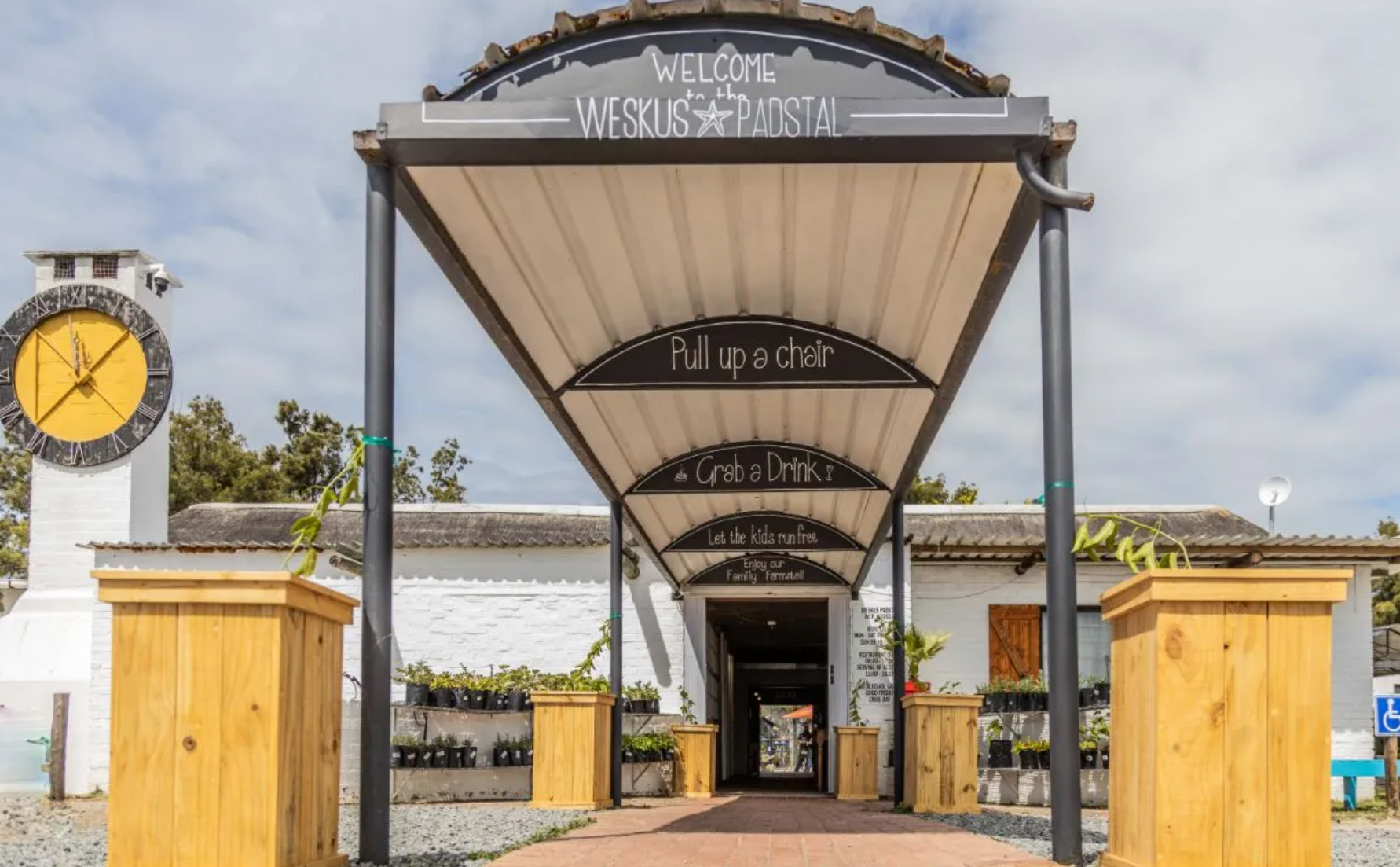
The Weskus Padstal, Cnr R315 & R27 is the perfect
pit stop for the weary traveller and the perfect meeting place for friends and
family.
On entrance you will be met with the smell of freshly baked goods from our on-site bakery.
There is fully stocked gift shop with fun
and quirky items as well as a nursery on site. Come stretch your legs and
relax.
The on-site restaurant, En-Route 27 serves west coast
specialities as well as breakfast and light meals. The petting zoo and bird
sanctuary is worth a visit and our large kids play area is the perfect place
for kids to stretch their legs before heading out on the road again.
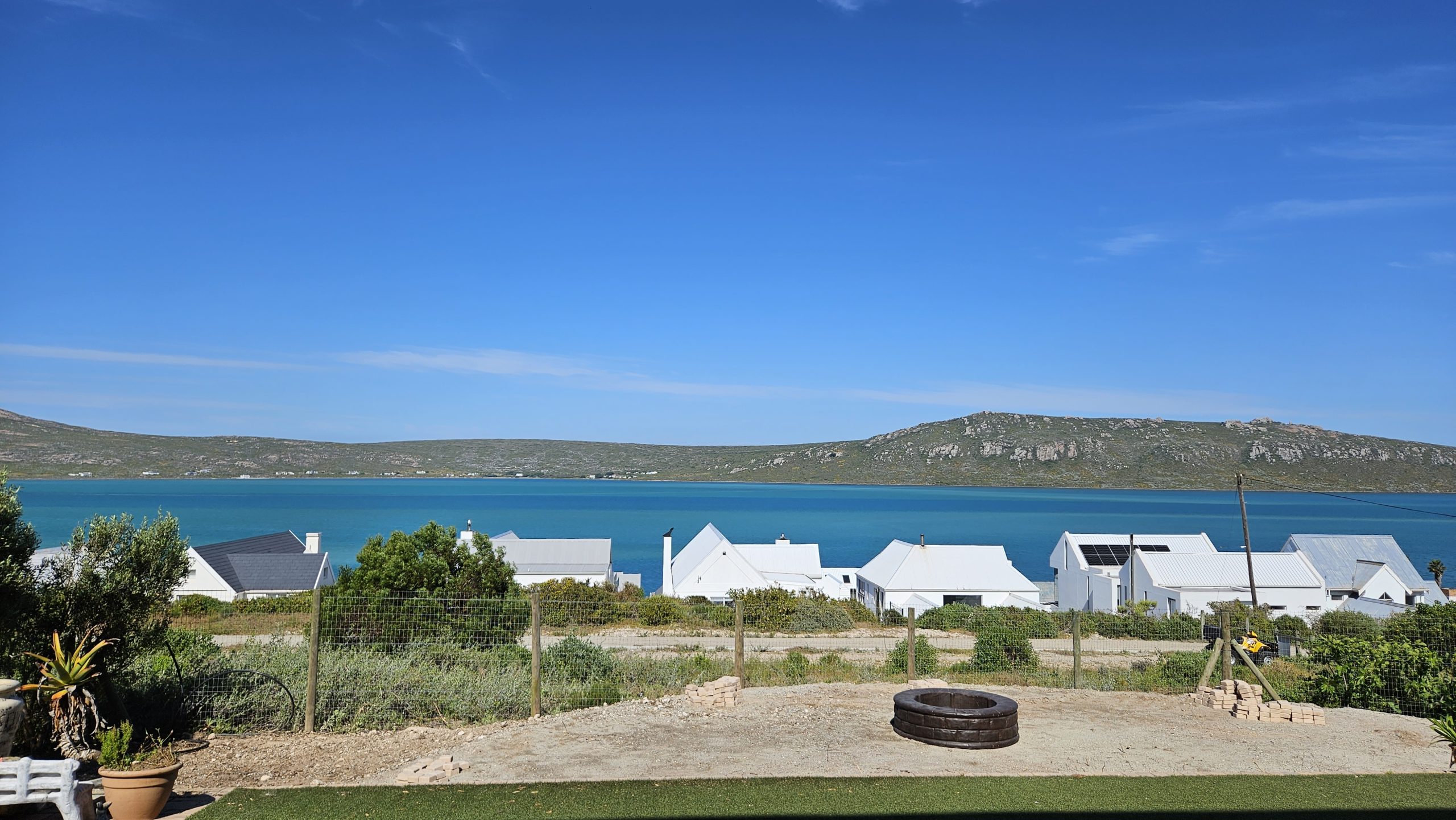
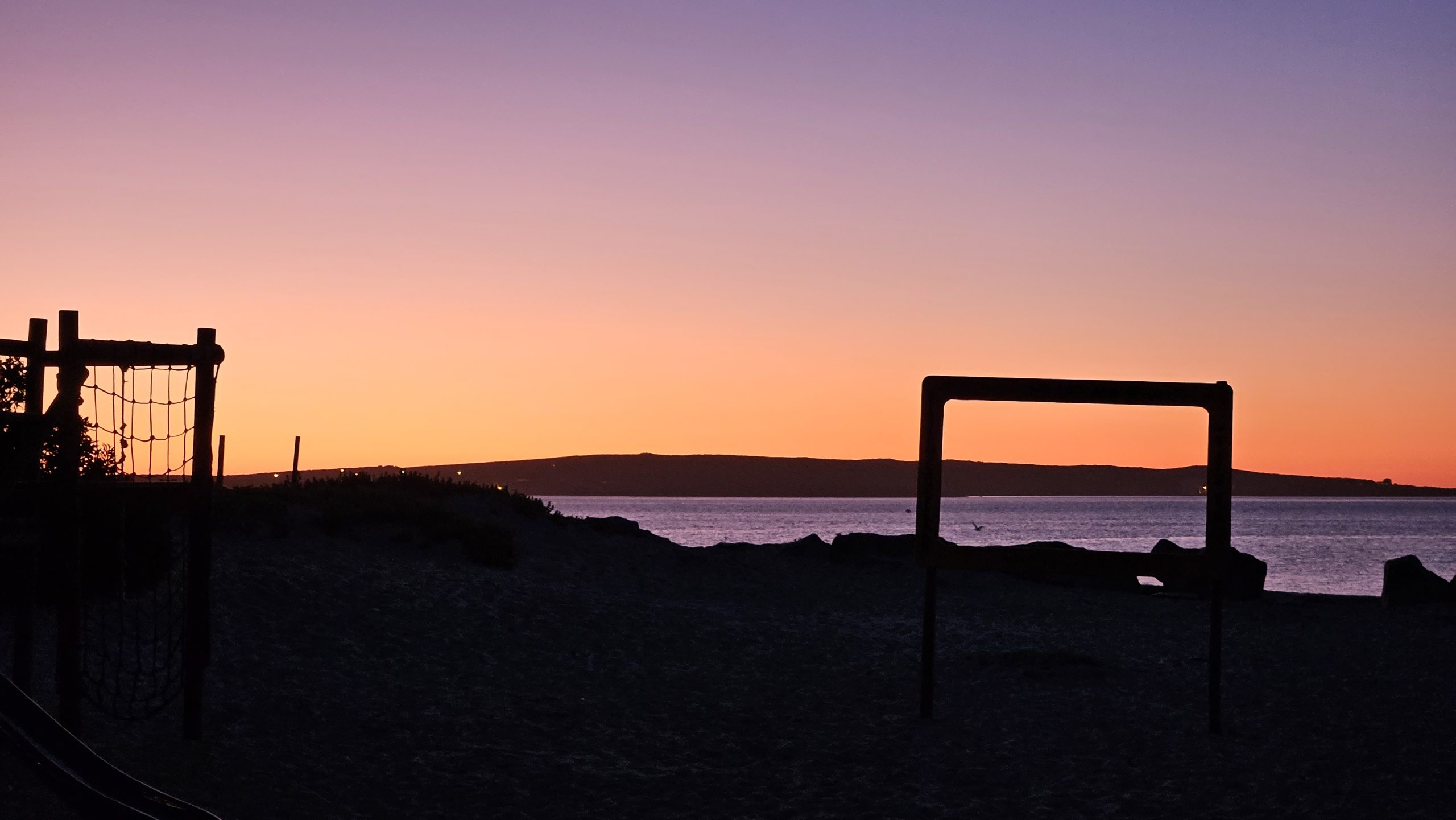
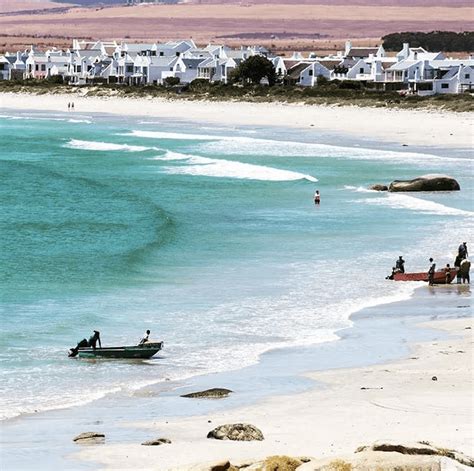
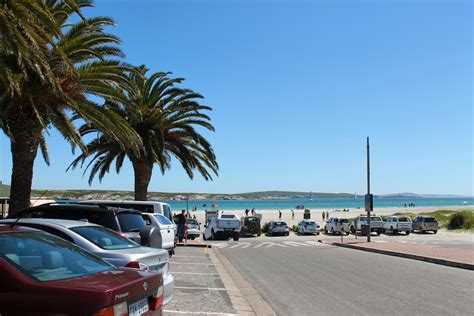
The white sand beaches surrounding the clear waters of the Langebaan Lagoon are very popular, and the mild climate and protected waters of the lagoon make it the perfect location for many water sports, including sailing, kayaking, kitesurfing, and fishing. Even if you are a beginner, you can still enjoy Langebaan Lagoon. Most of the water sport shops and centers offer kitesurfing lessons, sailing lessons, water skiing lessons and windsurfing lesson. Langebaan’s Main Beach is great for beginner and intermediate kitesurfers with more than enough room for everyone. The wind almost always picks up by mid-afternoon. At the end of the main beach, a patch of sand near the yacht club has been dubbed “Second Beach” by locals and is popular among fishermen, bait collectors, and catamarans.
The white sand beaches surrounding the clear waters of the Langebaan Lagoon are very popular, and the mild climate and protected waters of the lagoon make it the perfect location for many water sports, including sailing, kayaking, kitesurfing, and fishing. Even if you are a beginner, you can still enjoy Langebaan Lagoon. Most of the water sport shops and centers offer kitesurfing lessons, sailing lessons, water skiing lessons and windsurfing lesson. Langebaan’s Main Beach is great for beginner and intermediate kitesurfers with more than enough room for everyone. The wind almost always picks up by mid-afternoon. At the end of the main beach, a patch of sand near the yacht club has been dubbed “Second Beach” by locals and is popular among fishermen, bait collectors, and catamarans.
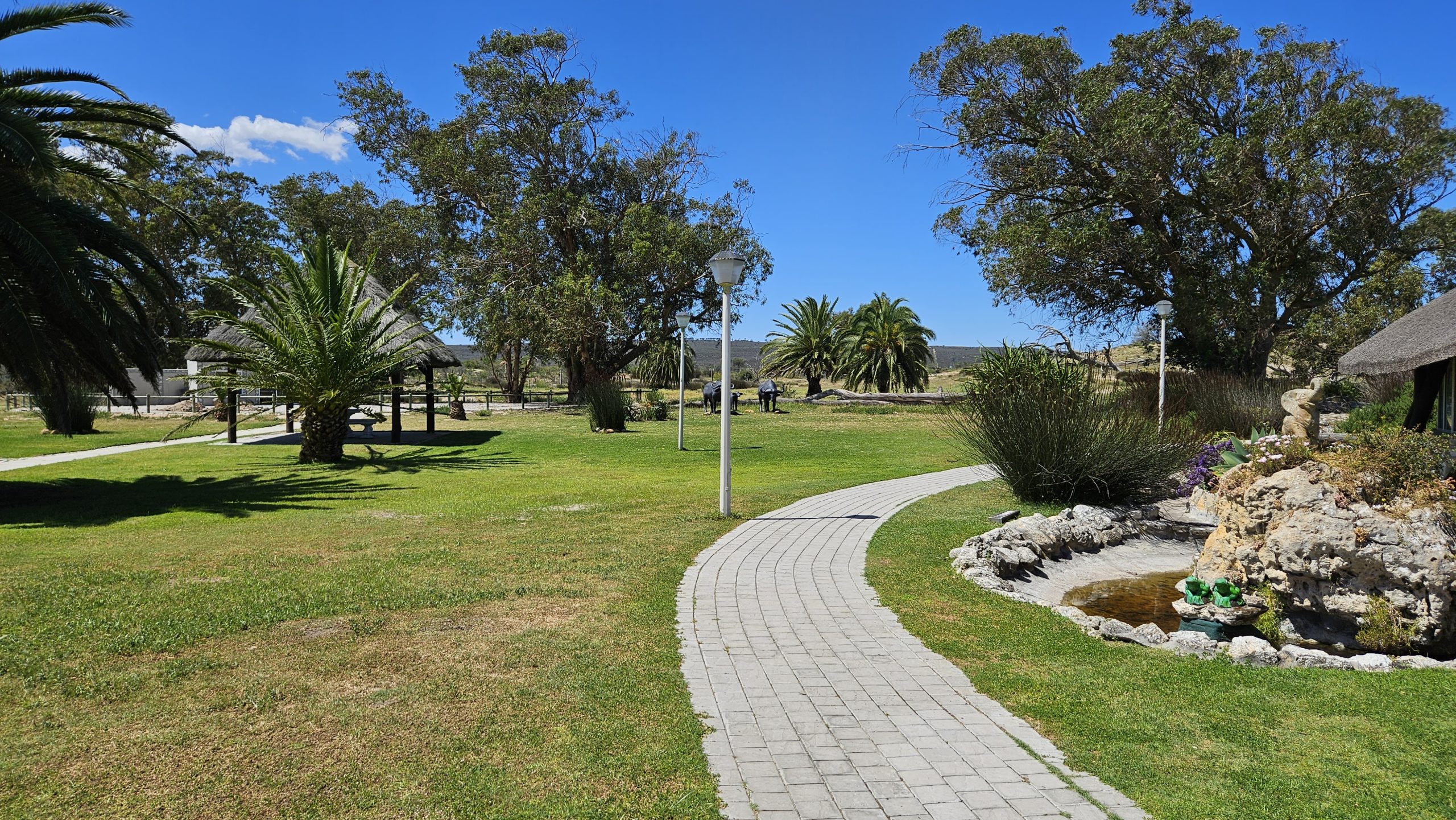
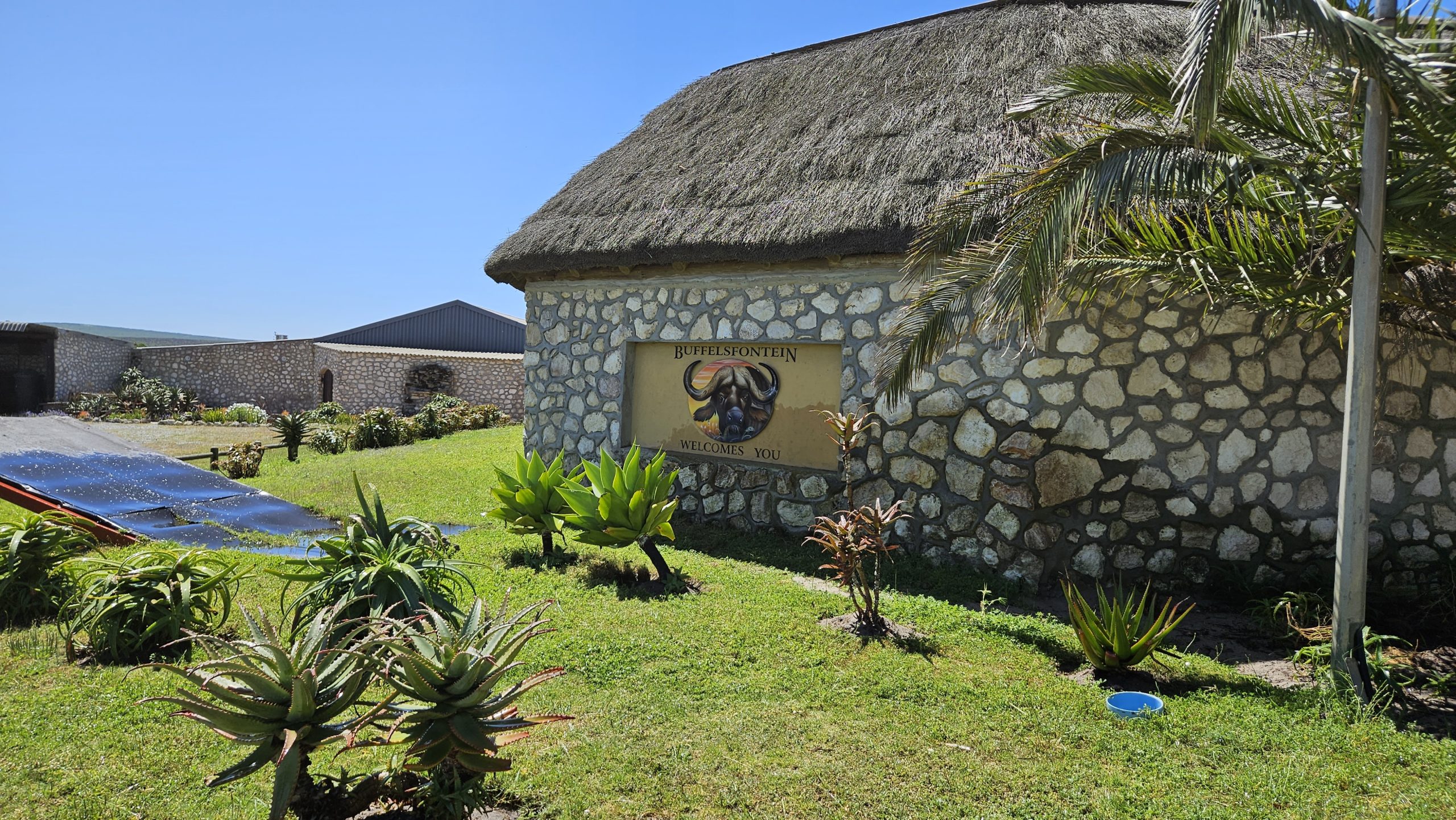
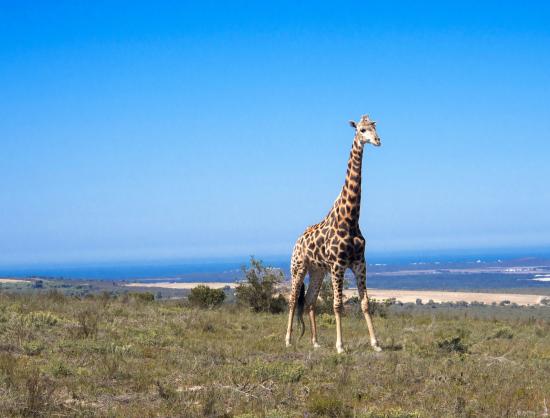
This once cattle farm, situated on the R27 an hour away
from Cape Town, started in 1993 with humble beginnings as a weekend getaway
spot of the Loubser family. Home to a handful of cattle, ostriches and small
buck this was their little piece of heaven with the only building being an old
workers hut.
In 2000 there was a great fire on the West
Coast and the only thing left standing on the farm was a few cattle and the
workers hut. Paul Loubser, the owner, decided to start anew. He began to
improve the buildings, roads, fences and introduced new wildlife to the
area. A new Buffelsfontein was born and the gates were opened in 2002 to
the public. Sharing the experience of a working West Coast farm with local and
international visitors.
Boulders Beach
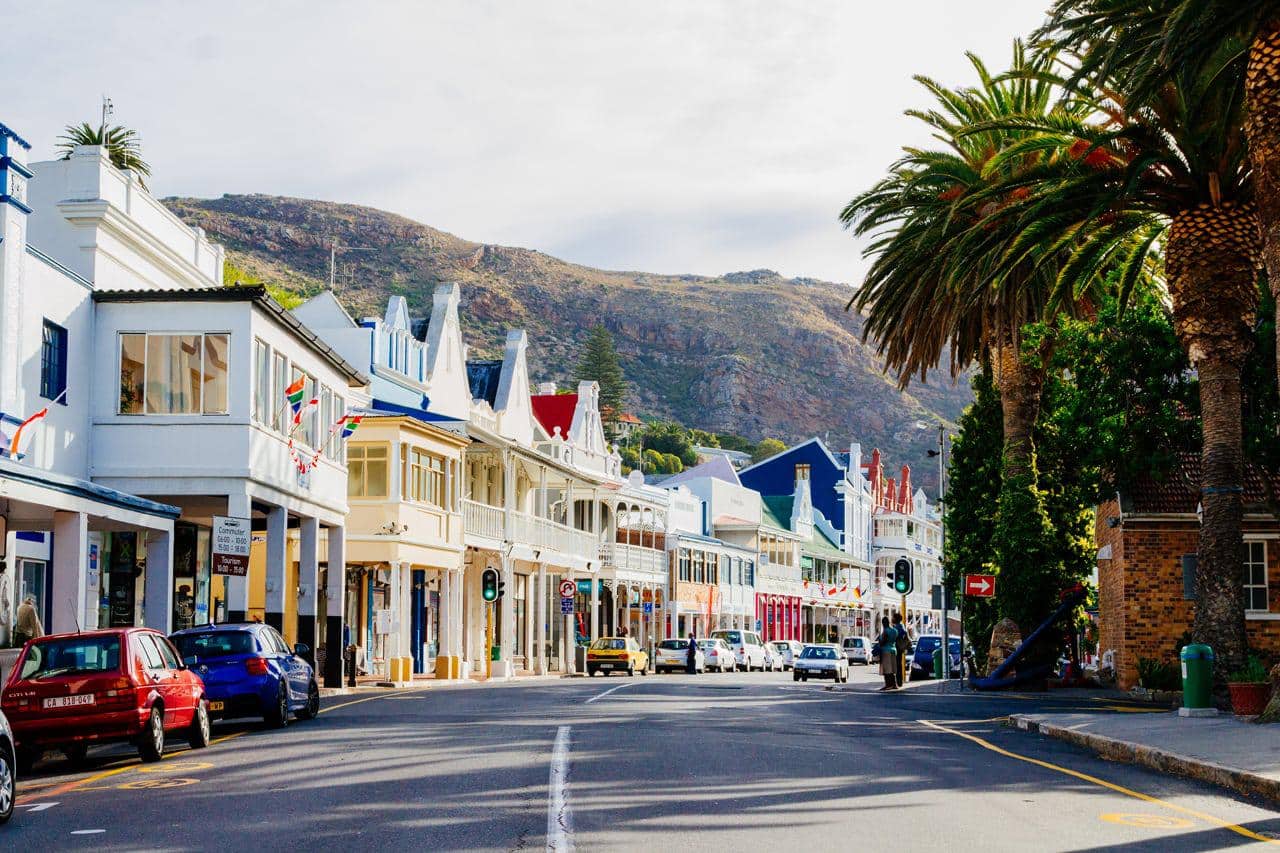
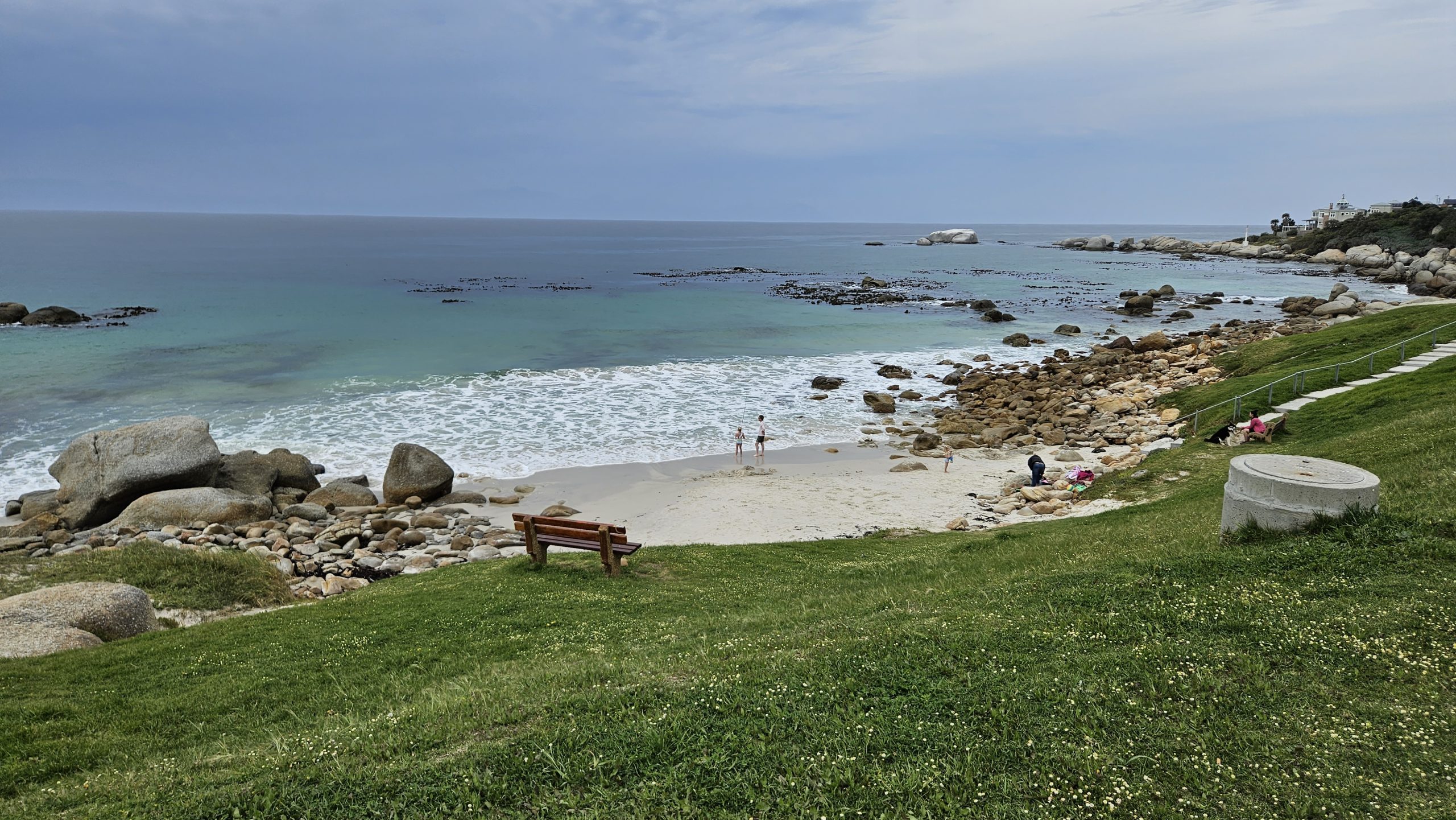
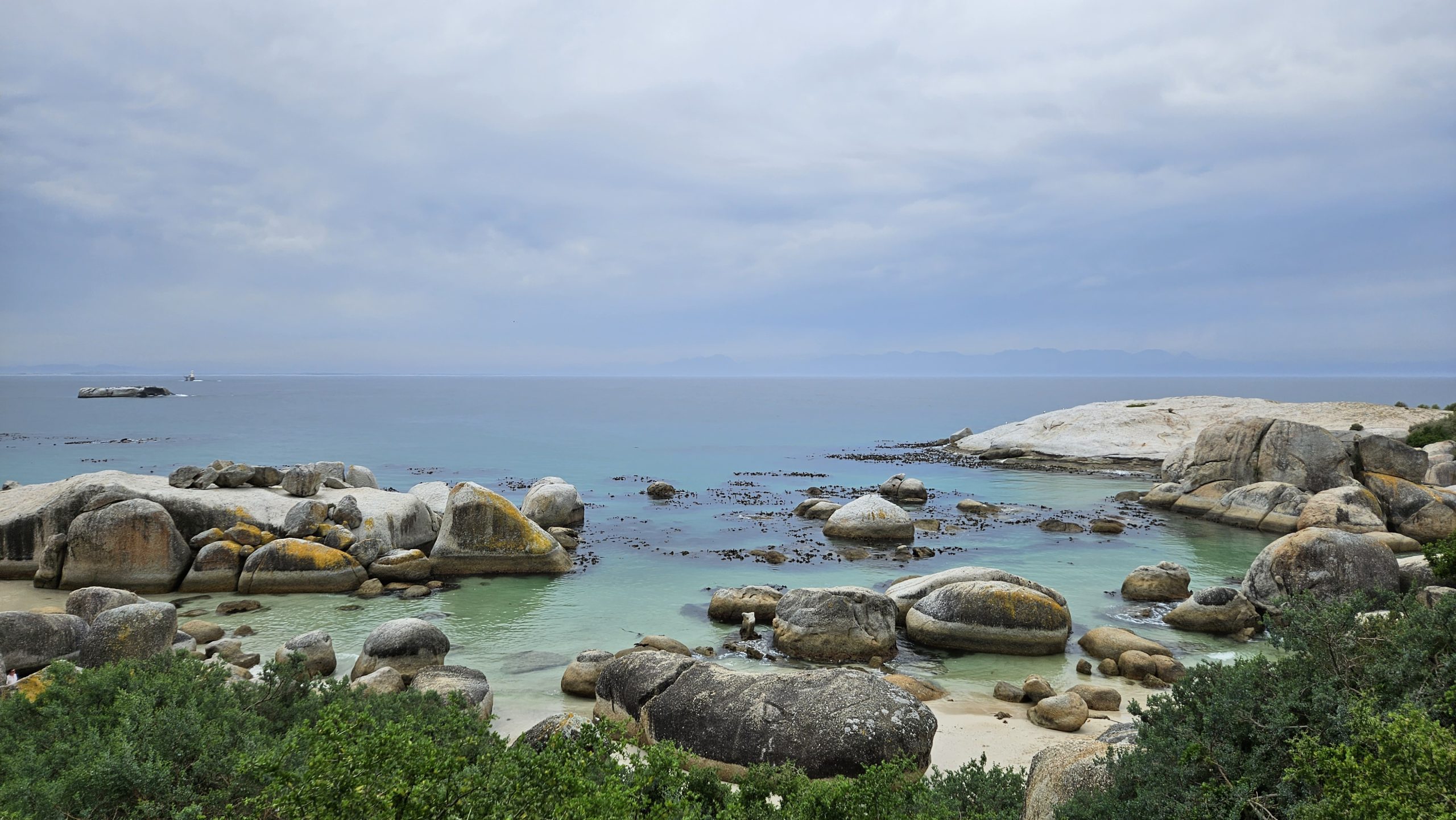
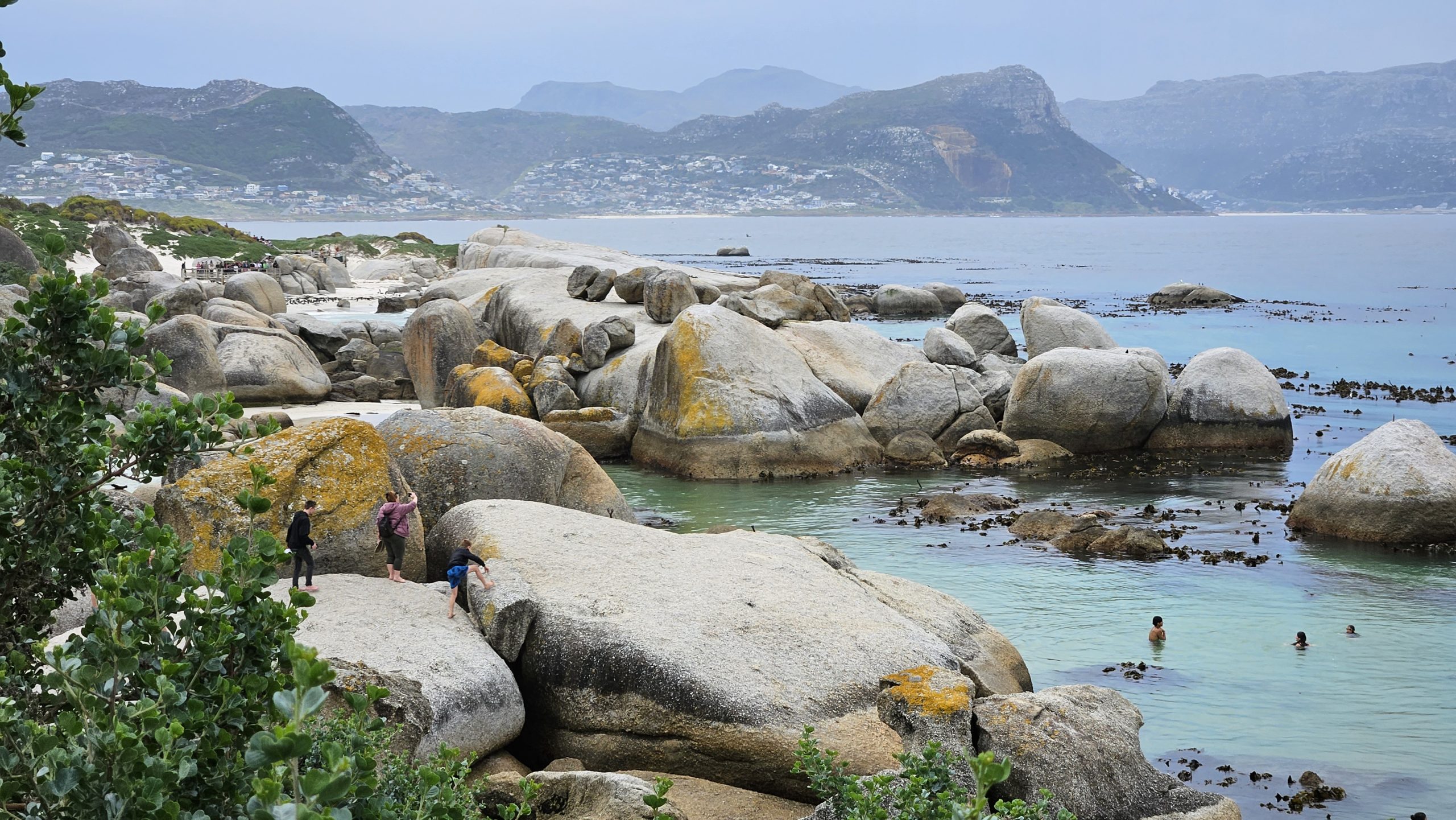
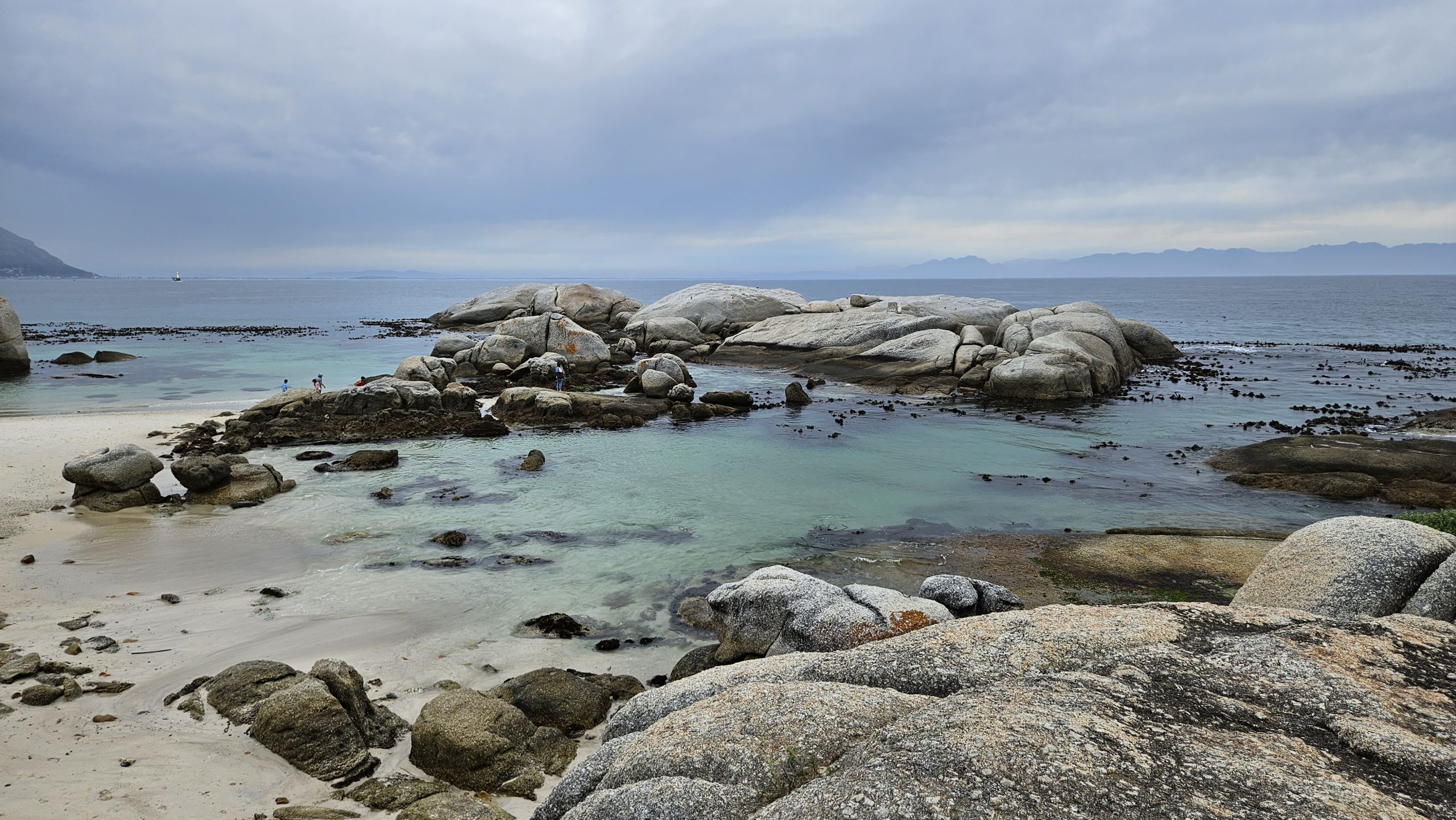
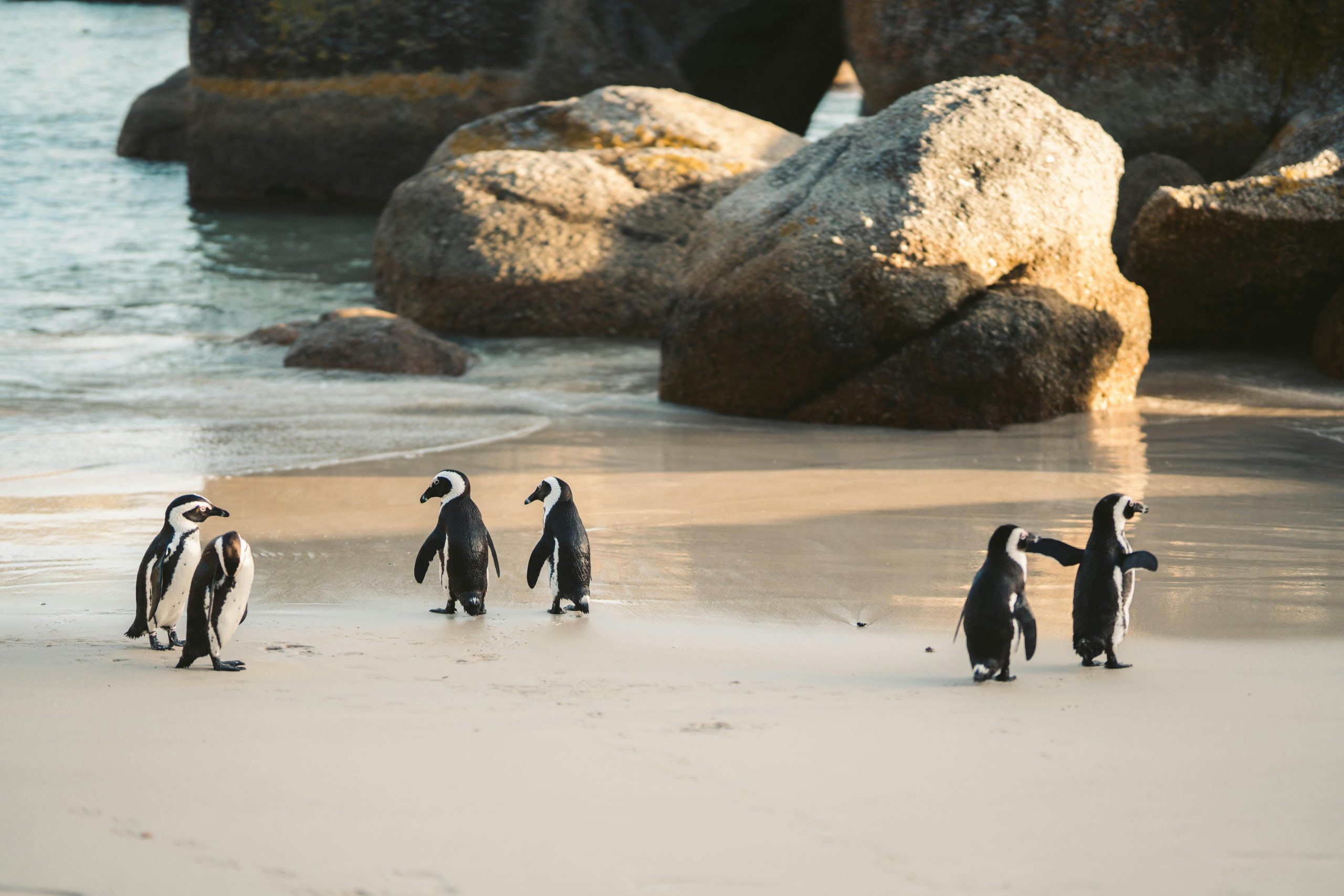
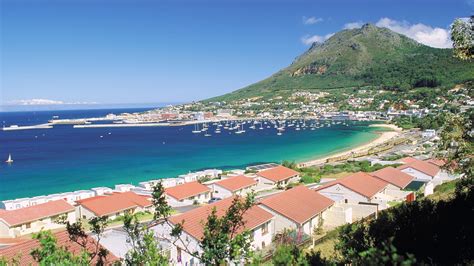
Boulders Beach near Simon’s Town has a lot going for
it: the ancient granite boulders protect it from the wind and large waves,
making it an ideal swimming spot for kids. The beach is always clean and safe,
because it falls under the Table Mountain National Park Marine Protected Area.
It is rarely crowded, and kids will be delighted by the stunning rockpools.
But the soft white sand and warm(ish) waters are not
the only reasons why 60 000 visitors a year make their way along the coast, past Simon’s Town,
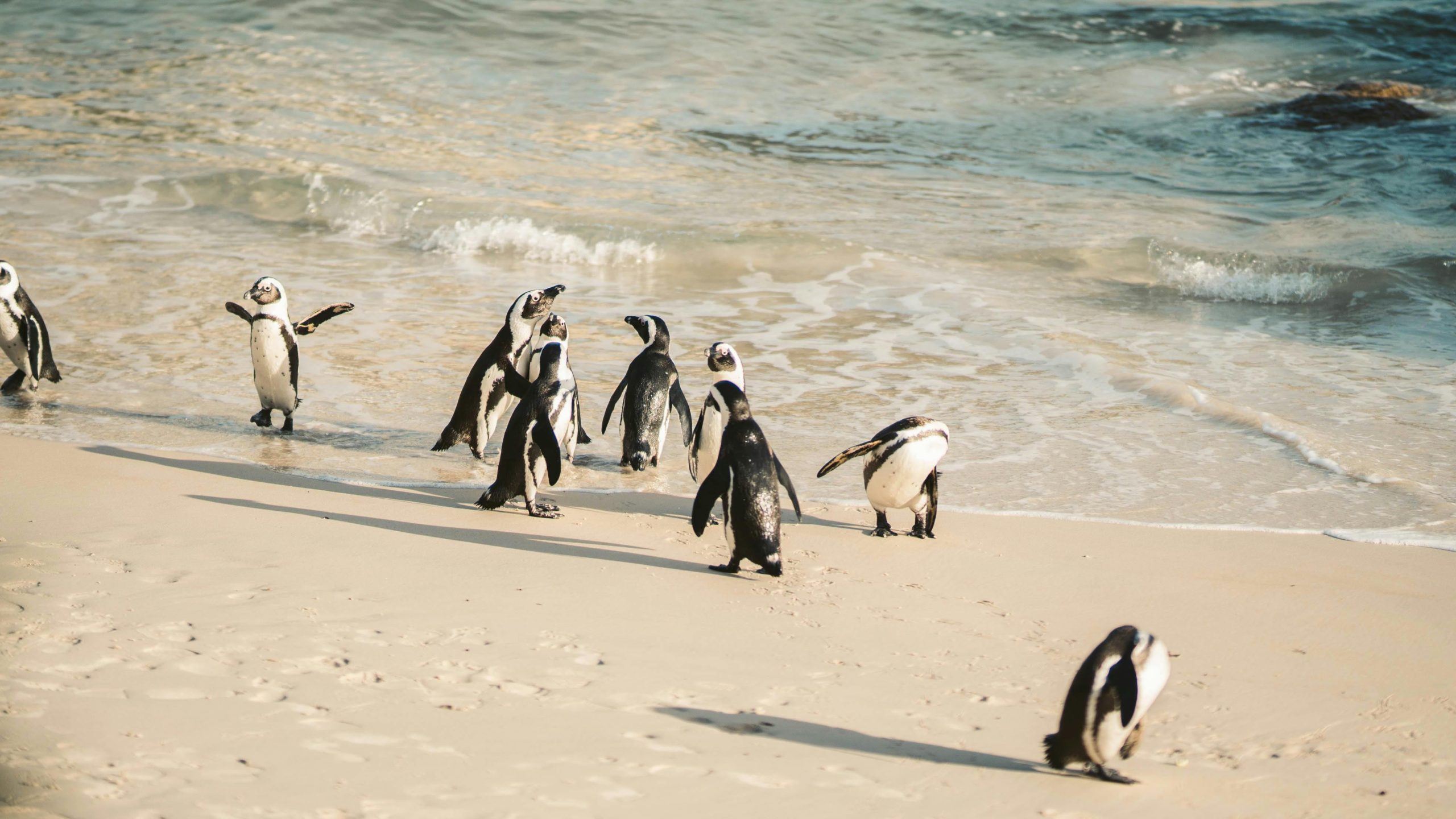
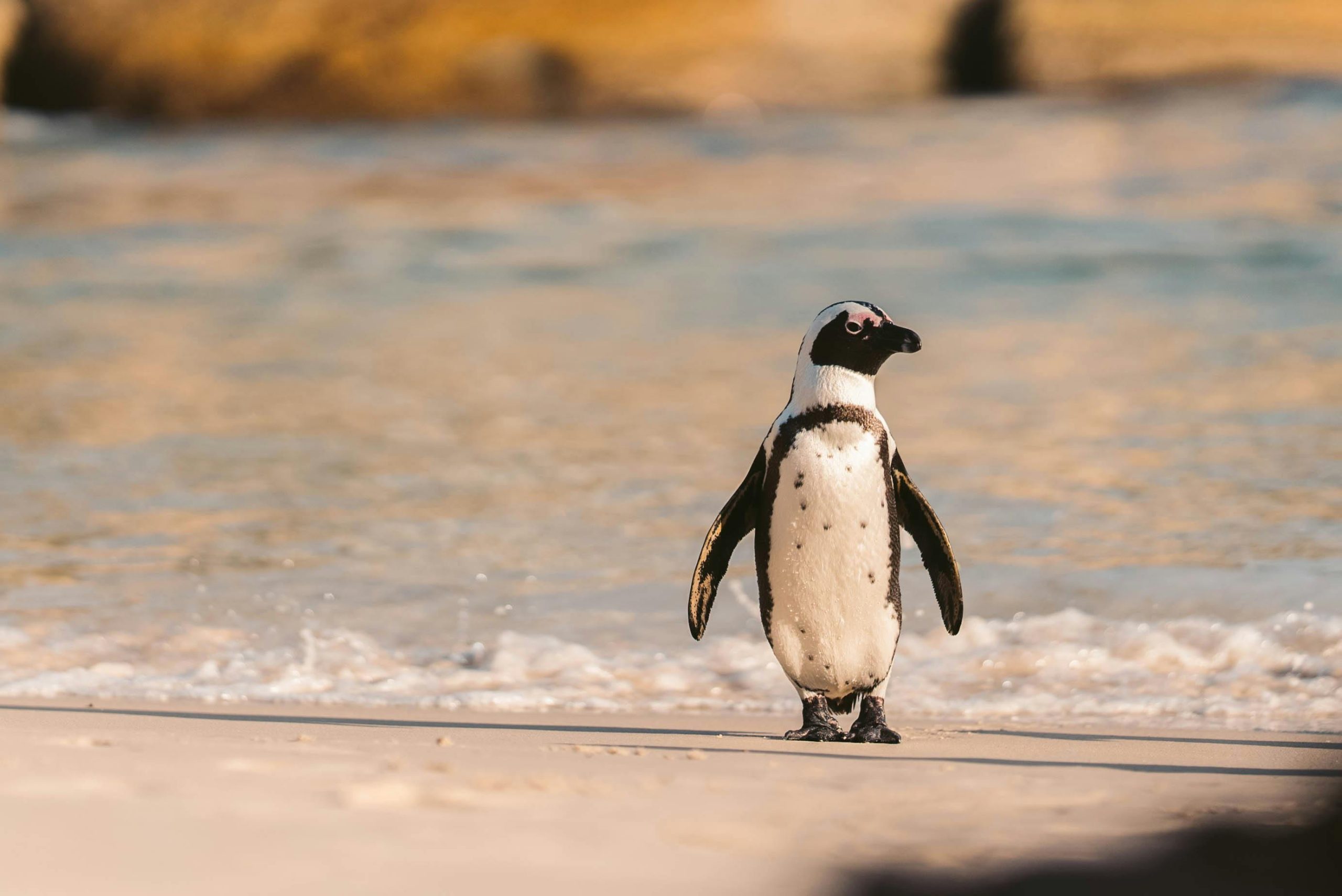
to Boulders Beach. The local inhabitants – African penguins in their thousands
– know how to pull the crowds.
The Penguin Colony
African Penguins used to be known as jackass penguins
because of their distinctive braying, and they’re the only penguins found on
the continent. Colonies can be found from southern Namibia all the way around
the South African coast to Port Elizabeth, but few places offer as remarkable a
viewing point as Boulders Beach.
Conservation
The penguins first came to False Bay in 1983 from Dyer
Island, which is near Gansbaai. Back then, there was plenty for them to eat and
the colony grew rapidly. Sadly, commercial fishing, marine pollution, and
habitat destruction have taken their toll on the colony. In 1910, it was
estimated that there were approximately one-and-a-half million African
Penguins; a century later, the aquatic bird was classified as an endangered
species. By 1982 there were only two breeding pairs remaining. Incredible conservation
efforts have grown the Boulders colony to over 3,000 birds in recent years.
Where to View the Penguins
Boulders Beach is a great spot to set up camp for the
day, but it isn’t actually the best area for viewing the penguins. For this,
there are three wheelchair-friendly boardwalks that make their way through the
dunes and dense vegetation around Foxy Beach. If you want to get up close and
personal with the penguins, make your way to Foxy Beach. Just don’t get too close—–those
beaks are razor sharp! At the Boulders Visitors Centre, you’ll find information
about the penguins and knowledgeable guides.
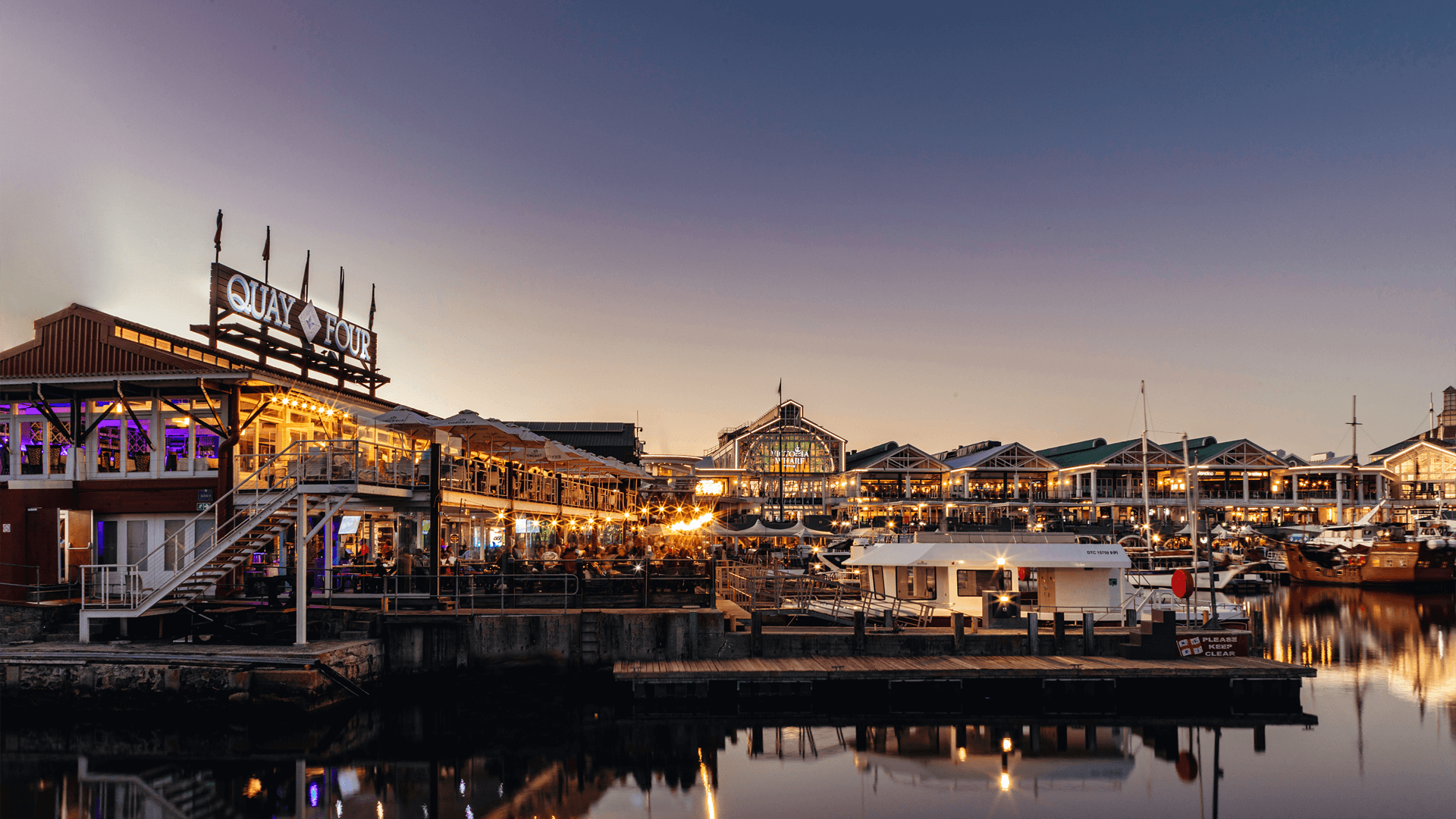
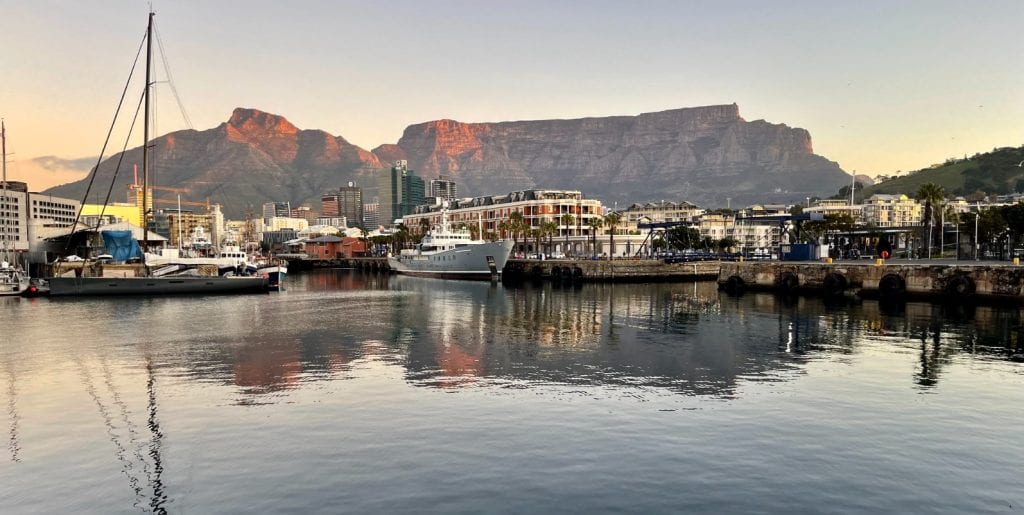
The V&A Waterfront is one of Africa’s most visited destinations with more than 24 million visitors annually. Situated in the oldest working harbour in South Africa, with the iconic Table Mountain as its backdrop, makes the V&A Waterfront is a favourite for local and international visitors.
More than 80 eateries bring a fusion of both international and local cuisine, from rustic al fresco to fine dining. You are spoiled for choice with 12 hotels, over 500 retail stores, five museums and live entertainment 365 days a year showcasing the best local music. Immerse in a wide variety of attractions and activities like sunset cruises, helicopter flights, free audio tours, or visit the award winning Two Oceans Aquarium and much more. Along with 22 heritage sites and tourism landmarks, the V&A Waterfront is also home to Zeitz Museum of Contemporary Art Africa (MOCAA) – the historic Grain Silo which is home to the world’s largest collection of contemporary art from Africa and its diaspora.
There is plenty on offer for kids – from beautiful play
areas and themed boat rides to fun-filled holiday programmes, this is one place
kids will always have fun and adventure.
The Canal District links the V&A Waterfront and the
Cape Town Convention Centre (CTICC), with water taxis providing an easy
transport option between both points. It also reintroduces the old connection
between the city, its waterways and the sea along pedestrian landscaped
walkways and bridges. The canal introduces a leisure element with kayaking and
stand-up paddling events.
Battery Park at the Canal District includes a piazza with paved walkways, benches, a grassed area and indigenous gardens to relax in. Other elements include a skate park, basketball court, eateries and coffee shops.
With all this and even more on offer, it really is no wonder that the V&A Waterfront joins the ranks with Cape Point, Groot Constantia, Kirstenbosch National Botanical Garden, Robben Island and Table Mountain Cableway as Cape Town’s Big 6.
Highlights
- Variety of attractions and activities that includes
helicopter rides, leisure boat cruises, stand-up paddling, live entertainment,
Two Oceans Aquarium Cape Wheel and much more
- Watershed – Africa’s new home for craft and design with 150 tenants and 360
local brands
- Zeitz MOCAA (Museum of Contemporary Art Africa) – Africa’s most significant
museum in over a 100 years
- Ster-Kinekor Cinema which includes a kids theatre and an IMAX theatre
- Over 500 retail stores – diverse offering of local and international brands
that guarantee something for everyone shopping in Cape Town, irrespective of
taste or budget
- Over 80 eateries – Whether you are looking for a quick bite from our
world-class food market or a more leisurely experience at some of our unique
fine dining restaurants
- 22 historical landmarks.
- Free GPS Audio Tour called Reinventing the Tavern of the Seas available on
the VoiceMap
- A member of Cape Town Big 6
- Battery Park – dedicated skate park, basketball courts and a grassed area for
picnic’s and other recreational activities
Looking for the perfect gift? Visit the V&A
Waterfront website for a variety of online gift vouchers.